Best HVAC Maintenance Tips for Peak Performance
Keeping your HVAC system in top shape can feel overwhelming, especially when you’re juggling so many other responsibilities. You’re not alone—many people struggle with knowing how to maintain their heating and cooling systems properly.
But with the right tips, you can boost your system’s efficiency and save money on energy bills.
To keep your HVAC system running efficiently, regularly check and replace air filters with the right size, and clean coils to prevent airflow blockages. Schedule professional tune-ups during off-peak times to catch issues early and optimize thermostat settings for energy savings.
Don’t forget to clear drain lines and protect your outdoor unit from debris and weather. Staying on top of these tasks improves comfort, lowers bills, and extends system life.
Investigate further to uncover even more smart maintenance strategies.
Key Takeaways
- Regularly check and replace air filters to keep airflow steady and improve indoor air quality. It’s a simple step that makes a big difference.
- Clean HVAC coils often to stop dust buildup. This helps your system run smoothly and efficiently without overworking.
- Schedule professional tune-ups once a year. These check-ups optimize performance and can save you from costly breakdowns down the line.
- Inspect and clear drain lines every month. Doing this prevents water damage and keeps your system running efficiently.
- Protect your HVAC unit by clearing away debris and using breathable covers. Make sure it’s anchored firmly to withstand weather conditions.
How To Check And Replace HVAC Air Filters
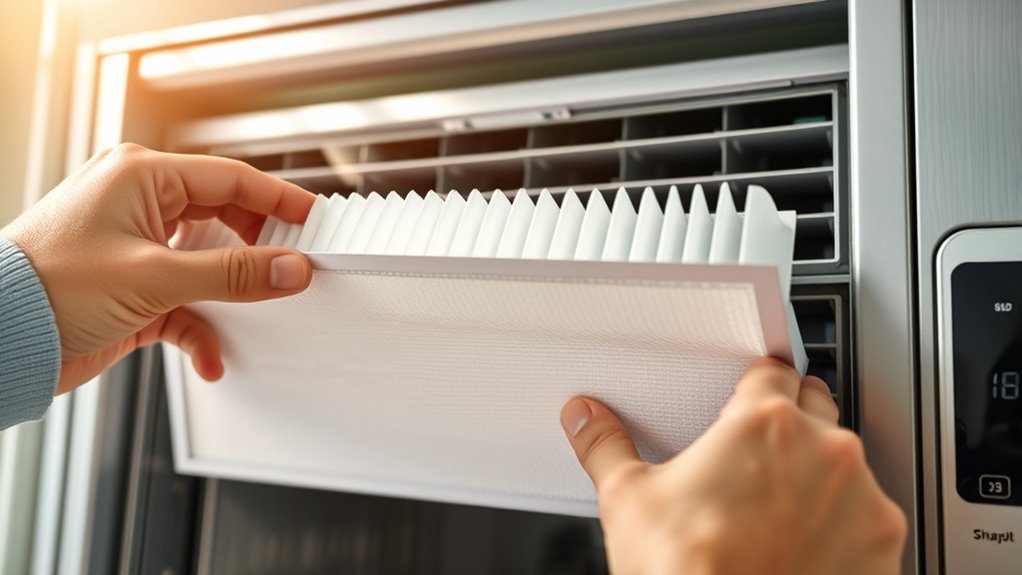
Before your HVAC system struggles to keep your home comfortable, you should regularly check and replace its air filters. Start by identifying the air filter types compatible with your system. Common options include fiberglass, pleated, and electrostatic filters. Choosing the right filter depends on your home’s air quality needs and your system’s specifications.
To check the filter, locate the filter compartment, usually near the air handler or return duct. Remove the filter carefully and hold it up to light. If it looks dirty or clogged, it’s time for a replacement. When installing a new filter, make sure you match the size exactly and note the airflow direction indicated by an arrow on the filter frame. Insert it with the arrow pointing toward the HVAC unit to ensure proper filter installation for optimal performance. Regularly replacing your filters keeps your system efficient and improves indoor air quality.
Why Cleaning Your HVAC Coils Boosts Efficiency
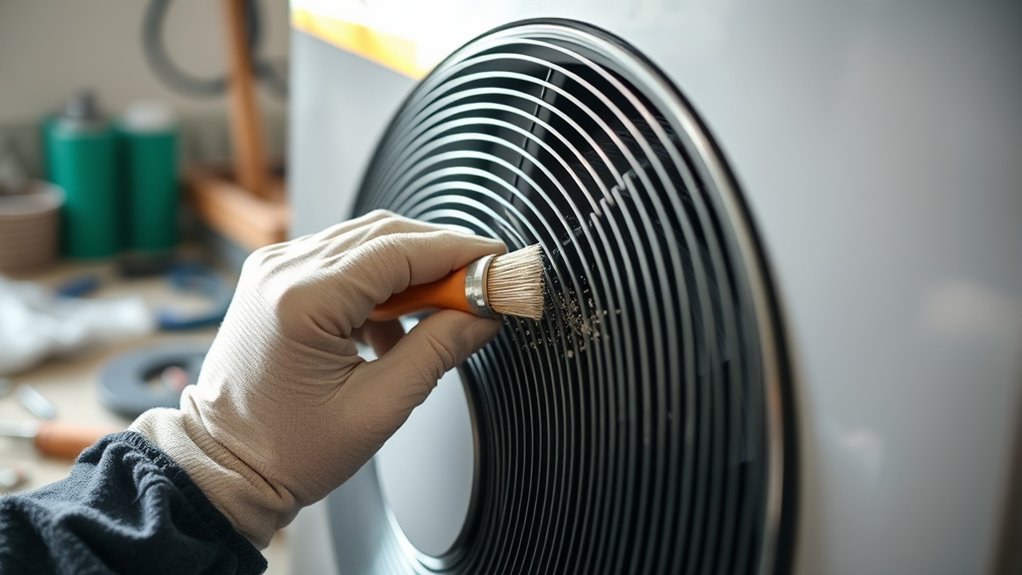
Replacing your HVAC air filters regularly helps maintain airflow, but keeping your system efficient also means paying attention to its coils. When coils get dirty, dust and debris create airflow obstruction, making your HVAC work harder to cool or heat your home. This reduces efficiency and raises energy bills.
Cleaning your coils removes this buildup, allowing air to flow freely and your system to operate at peak performance. Neglecting coil maintenance can also lead to coil corrosion over time, which damages the metal surfaces and compromises your HVAC’s lifespan.
How To Schedule Professional HVAC Tune-Ups
Scheduling regular professional HVAC tune-ups guarantees your system runs efficiently and prevents costly breakdowns. To make the most of these tune-ups, follow these steps:
- Set scheduling reminders on your phone or calendar to never miss your appointment. It’s an easy way to stay on track without thinking about it.
- Research contractor selection carefully by checking reviews, certifications, and experience. Finding the right pro makes all the difference.
- Book your tune-up during off-peak seasons like spring or fall to ensure prompt service and better deals. Timing can really save you hassle and money.
- Confirm the scope of the tune-up with your contractor to cover all critical components, guaranteeing peak performance. Clear communication helps avoid surprises.
How To Keep Your HVAC Drain Lines Clear
Because clogged drain lines can cause water damage and reduce your HVAC system’s efficiency, keeping them clear is essential. Regular drain maintenance helps you avoid costly repairs and keeps your system running smoothly.
Start by inspecting the drain line for blockages every few months. Flush it with a mixture of water and vinegar to break down buildup and prevent clogs. Using a wet/dry vacuum can also remove stubborn debris.
Here’s a quick guide for effective drain maintenance and clog prevention:
| Task | Frequency | Tools Needed |
|---|---|---|
| Inspect drain line | Monthly | Flashlight |
| Flush with vinegar | Quarterly | Vinegar, water |
| Vacuum drain line | Annually or as needed | Wet/dry vacuum |
How To Optimize Your HVAC Thermostat Settings
When you optimize your HVAC thermostat settings, you can save energy and keep your home comfortable year-round. Smart thermostats make this easier by learning your schedule and adjusting temperatures automatically, boosting energy savings without sacrificing comfort. Here’s how you can get the most from your thermostat:
- Set temperature setbacks when you’re away or asleep to reduce unnecessary heating or cooling.
- Use programmable or smart thermostats to adapt settings based on your routine.
- Avoid drastic temperature changes that force your system to work harder and waste energy.
- Regularly update your thermostat’s software to benefit from the latest energy-saving features.
How To Inspect And Seal HVAC Ductwork
Optimizing your thermostat settings helps control your HVAC system’s performance, but guaranteeing your ductwork is properly sealed can make an even bigger difference in energy efficiency. Start by inspecting your ducts for leaks or disconnected joints. Use a flashlight and feel for air escaping while the system runs.
Duct sealing prevents energy loss and boosts airflow optimization, improving comfort and lowering bills.
Here’s a quick checklist to guide your inspection and sealing process:
| Step | Action | Tip |
|---|---|---|
| 1. Visual Check | Look for holes or gaps | Use a flashlight |
| 2. Air Test | Feel for escaping air | Run system on high fan |
| 3. Seal Joints | Apply mastic or metal tape | Avoid regular duct tape |
| 4. Insulate Ducts | Wrap exposed ducts | Use duct insulation wrap |
| 5. Final Check | Reinspect after sealing | Ensure no leaks remain |
Why Lubricating HVAC Moving Parts Extends System Life
If you want your HVAC system to run smoothly and last longer, regularly lubricating its moving parts is essential. Proper lubrication reduces friction, preventing wear and tear on components like motors, fans, and bearings. By integrating effective lubrication techniques into your maintenance schedules, you’ll avoid costly breakdowns and enhance system efficiency.
Here’s why you shouldn’t skip this step:
- Cuts down on energy waste by keeping parts moving freely.
- Minimizes noise, creating a quieter, more comfortable environment.
- Prevents premature component failure, saving you money on repairs.
- Extends your system’s overall lifespan, maximizing your investment.
Sticking to a consistent lubrication routine ensures your HVAC operates at peak performance. Use the right lubricants and follow manufacturer recommendations for best results. Neglecting this simple task can lead to overheating and system strain, so don’t wait. Make lubrication a key part of your HVAC care.
How To Maintain HVAC Refrigerant Levels
Because refrigerant plays a fundamental role in your HVAC system’s cooling process, maintaining proper levels is essential for efficiency and performance. Start by scheduling regular leak detection to identify any loss early. Leaks not only reduce cooling effectiveness but can also harm the environment.
When a leak is found, it’s important to repair it promptly to prevent further refrigerant loss. If your system requires refrigerant recharge, make sure a certified technician performs refrigerant recovery before adding new refrigerant. This process safely removes any remaining refrigerant, preventing harmful emissions.
Avoid adding refrigerant yourself, as improper handling can damage your system and void warranties. By keeping refrigerant levels within manufacturer specifications, you guarantee your HVAC unit runs smoothly, reduces energy consumption, and extends its lifespan. Regular maintenance and professional service are key to maintaining these ideal refrigerant levels.
How To Protect Your Outdoor HVAC Unit From Weather Damage
Maintaining proper refrigerant levels keeps your HVAC system running efficiently, but protecting the outdoor unit from weather damage also plays a big role in its longevity. You can shield your unit from harsh conditions by using weatherproofing materials designed to withstand rain, snow, and sun exposure. Protective covers offer another layer of defense, especially during off-seasons.
Proper refrigerant levels and weatherproofing protect your HVAC unit, ensuring efficiency and lasting durability.
Here’s how to safeguard your outdoor HVAC unit:
- Use high-quality weatherproofing materials around the base to prevent water damage.
- Invest in a breathable protective cover to keep debris and moisture out without trapping condensation.
- Clear surrounding vegetation and debris regularly to avoid blockage and damage.
- Secure the unit firmly to resist strong winds and storms.
Taking these steps helps you avoid costly repairs and ensures your HVAC unit stays reliable year-round. Don’t wait for damage. Act now to keep your system safe and efficient.
When To Upgrade Your HVAC System For Better Performance
While your current HVAC system may still function, upgrading it can considerably boost your home’s comfort and lower energy bills. If you notice rising utility costs despite regular maintenance, your system might be losing energy efficiency.
Older units often struggle to maintain consistent temperatures, causing uneven heating or cooling. Frequent breakdowns and costly repairs are clear signs it’s time to invest in a newer model.
Modern HVAC systems offer advanced technology that maximizes energy efficiency, translating into significant cost savings over time. Furthermore, updated units improve indoor air quality, enhancing your living environment.
If your system is over 10-15 years old, upgrading is often more economical than repeatedly fixing outdated equipment. By acting sooner rather than later, you avoid unexpected failures during extreme weather.
Prioritize an HVAC upgrade to enjoy reliable performance, reduced energy consumption, and lower monthly bills, ensuring your home stays comfortable year-round.
Frequently Asked Questions
What Are Common Signs of HVAC System Refrigerant Leaks?
You’ll notice common signs of HVAC refrigerant leaks like reduced cooling efficiency, ice buildup on coils, and hissing sounds inside the system. Your system refrigerant levels drop, causing uneven temperatures and higher energy bills.
To catch issues early, use refrigerant leak detection tools or call a professional for a thorough check. Acting quickly prevents damage and keeps your HVAC running smoothly.
How Does Indoor Air Quality Affect HVAC Performance?
Indoor air quality directly affects your HVAC performance because poor air filtration clogs your system, forcing it to work harder. When ventilation systems get blocked by dust and pollutants, airflow decreases, reducing efficiency.
This strain can lead to higher energy bills and more frequent breakdowns. By maintaining clean filters and ensuring your ventilation systems are clear, you help your HVAC run smoothly and extend its lifespan while keeping your indoor air fresh and healthy.
Can Using a Programmable Thermostat Reduce HVAC Energy Costs?
Think of a programmable thermostat as the conductor of an orchestra, fine-tuning every note for harmony. Yes, using one can markedly reduce your HVAC energy costs by optimizing temperature control.
It adjusts settings based on your schedule, preventing unnecessary heating or cooling. This smart management leads to energy savings, cutting down your utility bills while keeping your space comfortable.
You’ll enjoy efficient climate control without sacrificing convenience or comfort.
What Impact Do Pets Have on HVAC System Maintenance?
Pets can markedly impact your HVAC system maintenance. Pet hair tends to clog filters and vents, reducing airflow and system efficiency. You’ll need to clean or replace filters more often to avoid damage.
Also, odor buildup from animals can linger in ducts, requiring regular cleaning to keep your indoor air fresh. Staying on top of these tasks helps your system run smoothly and keeps your home comfortable despite your furry companions.
How Often Should HVAC Belts and Pulleys Be Replaced?
You should schedule belt replacement every 3 to 5 years, but always perform pulley inspection during your regular HVAC checkups. If you notice any cracks, fraying, or unusual noises, replace the belts immediately to avoid system failure.
Pulley inspection helps catch misalignment or wear early, preventing bigger issues. Staying proactive with these checks keeps your system running smoothly and extends its lifespan. Don’t wait until problems arise to act!
Conclusion
Taking care of your HVAC system isn’t just about comfort; it’s also about saving money and energy. Did you know a dirty air filter can increase your energy bills by up to 15%?
By following these maintenance tips, you’ll keep your system running efficiently and reduce costly repairs. Plus, you’ll enjoy a healthier home environment.
Don’t wait. Regular upkeep guarantees your HVAC performs at its best season after season for peak performance.