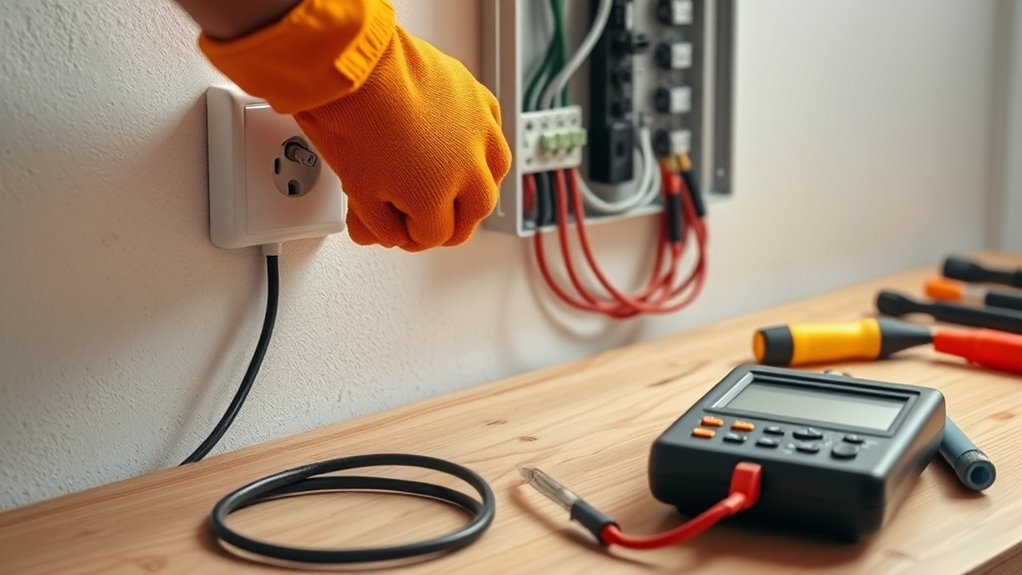
7 Best Electrical Safety Tips Everyone Should Know
Electrical safety is something many people worry about but don’t always know where to start. If you’ve ever felt overwhelmed by the thought of keeping your home safe from electrical hazards, you’re not alone.
Fortunately, there are simple steps you can take to protect your family and property without stress.
You should regularly check your home’s wiring for damage and address issues fast to avoid shocks or fires. Avoid overloading circuits or power strips by spreading out devices and respecting their limits.
Use grounded outlets and inspect extension cords before use, never running them under rugs.
Keep water far from electrical devices and always unplug appliances when not needed.
Install smoke alarms and test them monthly for early fire alerts.
If you want to keep your home extra safe, you’ll find more helpful tips ahead.
Key Takeaways
- Regularly inspect wiring and outlets for damage. If you find any issues, call a licensed electrician to take care of it.
- Avoid overloading circuits and power strips by knowing their capacity. Spread devices across multiple outlets to keep things safe.
- Use properly grounded outlets and rated extension cords. Also, avoid running cords under rugs or doors to prevent hazards.
- Keep electrical devices dry and away from water sources. This helps prevent electrical hazards and keeps insulation in good shape.
- Install smoke alarms on every level of your home. Test them monthly and replace batteries annually to catch fires early.
Regularly Check Your Home’s Electrical System
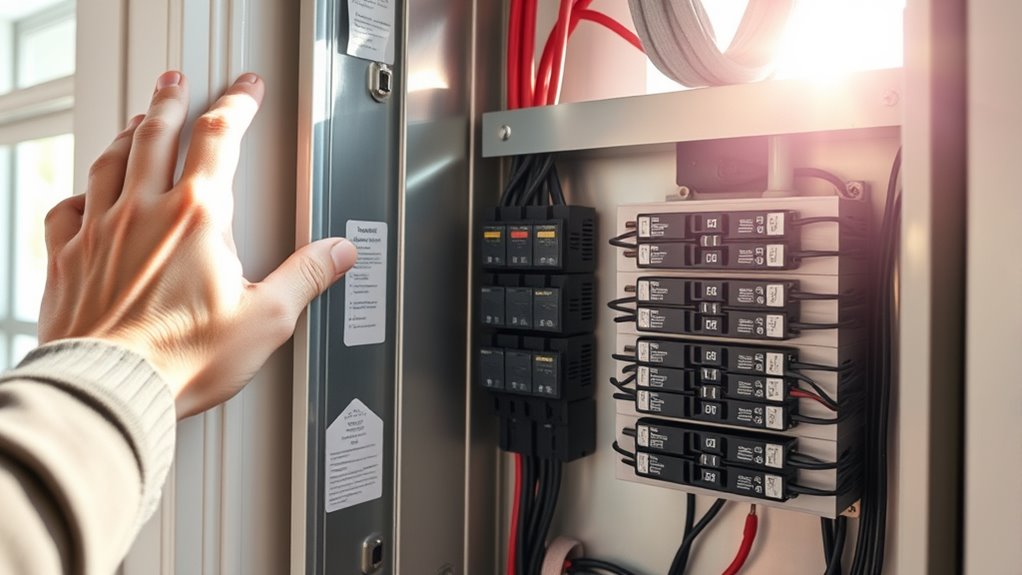
Although electrical systems are designed to be safe, you should regularly check your home’s wiring and outlets to prevent hazards. Circuit maintenance plays a vital role in keeping your electrical system functioning properly.
By performing routine wiring inspection, you can spot signs of wear, frayed wires, or loose connections before they turn into serious problems. Don’t ignore flickering lights or outlets that feel warm to the touch. These are clear warning signs.
You can start by visually inspecting accessible wiring and testing outlets with a voltage tester. If you’re unsure or notice any damage, call a licensed electrician immediately.
Regular circuit maintenance not only guarantees your safety but also helps avoid costly repairs in the future. Taking these proactive steps keeps your home’s electrical system reliable and reduces the risk of electrical fires or shocks.
Don’t wait for an emergency. Make wiring inspection a part of your home maintenance routine.
Avoid Overloading Electrical Circuits and Power Strips
When you plug too many devices into a single outlet or power strip, you risk overloading the circuit. This can cause overheating and potentially start a fire. Every circuit has a specific capacity, meaning it can only handle a certain amount of electrical load safely.
Exceeding this limit stresses the wiring and increases the risk of electrical hazards. To keep power strips safe, avoid daisy-chaining them or plugging in high-wattage appliances. Instead, spread your devices across multiple outlets on different circuits when you can.
Always check the power strip’s rating and never go over its maximum load. By understanding your home’s circuit capacity and respecting power strip limits, you reduce the chance of electrical failures and fires. Taking these precautions helps keep your home safe and your devices working properly.
Use Outlets and Extension Cords Safely
You should always plug devices directly into properly grounded outlets to avoid hazards. It’s really important to make sure the outlet is grounded correctly before you plug anything in.
When you do need to use extension cords, make sure you pick the right type for the job. And never overload them—too many devices can cause problems.
Proper Outlet Usage
Since overloaded outlets can cause fires, you should always use them properly and avoid plugging too many devices into a single outlet. Pay attention to outlet placement to make certain they’re easily accessible without forcing cords into awkward positions. This reduces wear and potential damage to plugs and sockets.
If you have young children or pets, use socket covers to prevent accidental shocks or injuries. Socket covers are a simple, effective way to block unused outlets, keeping everyone safe.
Regularly inspect outlets for signs of damage, such as scorch marks or loose fittings, and replace any faulty ones immediately. By following these steps, you’ll maintain a safer environment and minimize the risk of electrical hazards related to improper outlet usage.
Extension Cord Safety
Proper use of outlets goes hand in hand with safe handling of extension cords, which often serve as temporary solutions for powering devices. To keep extension safety, avoid overloading cords and make sure they’re rated for your devices.
Good cord management prevents tripping hazards and damage to the cords, which could lead to electrical faults or fires. Always inspect extension cords for frays or exposed wires before use.
| Do’s | Don’ts |
|---|---|
| Use cords rated for devices | Overload or daisy-chain cords |
| Unplug when not in use | Run cords under rugs or doors |
| Inspect cords regularly | Use damaged or frayed cords |
| Store cords properly | Leave cords plugged in unused |
Follow these tips to keep your space safe and power flowing efficiently.
Keep Water Away From Electrical Devices
Although electrical devices make life easier, they can become dangerous when exposed to water. You need to be vigilant about keeping water away from your gadgets to avoid water hazards that can cause short circuits, shocks, or even fires.
Water can compromise electrical insulation, which is designed to protect you and the device. When that insulation gets wet, it loses its effectiveness, increasing the risk of electrical accidents.
Wet insulation fails to protect, raising the risk of electrical hazards and accidents.
Always place electrical devices on dry surfaces and never use them with wet hands. Avoid using appliances near sinks, bathtubs, or pools where splashes or spills are common.
If you notice any moisture around plugs or cords, disconnect the power immediately and dry the area thoroughly before use. By keeping water away from your electrical devices, you maintain the integrity of their insulation and protect yourself from potentially serious harm.
Stay safe by respecting the dangers water poses to electricity.
Unplug Electrical Appliances When Not in Use
Keeping water away from electrical devices helps prevent immediate hazards, but you should also take steps to reduce risks when devices aren’t in use. Unplugging electrical appliances not only cuts down on fire risks but also saves energy.
Proper cord management helps avoid wear and tear that could lead to exposed wires or shorts. Regular appliance maintenance ensures your devices function safely and efficiently.
Here’s a quick look at why unplugging matters:
| Benefit | Reason | Tip |
|---|---|---|
| Fire Prevention | Avoids overheating and sparks | Unplug when not in use |
| Energy Saving | Stops phantom power draw | Use power strips |
| Cord Longevity | Reduces stress on cords | Store cords neatly |
Install and Test Smoke Alarms
Since smoke alarms can detect fires early, installing and regularly testing them is one of the most effective ways to protect your home and family. Make sure you place smoke alarms on every level of your home, especially near sleeping areas. Don’t forget to install alarms inside and outside bedrooms to maximize safety.
Battery maintenance is crucial. Replace batteries at least once a year or whenever the alarm signals low power. Using a consistent schedule, like changing batteries on daylight saving time, helps keep you on track.
Alarm testing should be done monthly to ensure your smoke detectors are functioning properly. Simply press the test button until you hear the alarm sound. If it doesn’t work, replace the batteries or the unit if necessary.
How to Know When to Call a Licensed Electrician
When you notice flickering lights, frequent circuit breaker trips, or outlets that feel warm to the touch, it’s time to call a licensed electrician. These signs often point to underlying issues that require professional electrical diagnosis. Don’t try to fix complex problems yourself, as improper handling can cause serious hazards.
A licensed electrician has the training and tools to accurately diagnose electrical faults and ensure repairs meet safety standards. If you smell burning odors near outlets or see sparks when plugging in devices, call an expert immediately.
Also, if your home’s electrical system is outdated or you’re planning major renovations, consulting a licensed electrician guarantees your wiring supports your needs safely. Trusting a professional not only protects your home but also gives you peace of mind.
Frequently Asked Questions
What Are the Best Electrical Safety Practices for Outdoor Power Tools?
You should always use cordless tools when possible to avoid tripping hazards and reduce shock risks. Make sure your weatherproofing equipment is in good condition to protect against moisture and rain.
Inspect cords and plugs for damage before use, and never use outdoor power tools in wet conditions unless they’re specifically designed for it. Wearing rubber-soled shoes and keeping your work area dry also helps keep you safe.
How Can I Childproof My Home’s Electrical Outlets Effectively?
Think of outlet covers as tiny guardians standing between curious fingers and danger. To childproof your home’s electrical outlets effectively, you should install these covers on every unused outlet.
Choose tamper-resistant outlets if possible; they’re designed with built-in child safety features. Regularly check that covers fit snugly and replace any that are damaged.
What Are Common Electrical Hazards in Older Homes?
In older homes, you’ll often find outdated electrical wiring that can easily overheat or short circuit, posing serious risks. Faulty grounding is another common hazard, which means your electrical system might not safely redirect excess electricity, increasing shock or fire chances.
You should inspect for damaged cords, overloaded outlets, and missing or broken cover plates, as these also create dangers. Upgrading your wiring and grounding can keep you safer.
How Do Electrical Safety Standards Vary by Country?
You might think electrical safety standards are the same everywhere, but that’s not true. International regulations exist, yet compliance differences between countries can be huge.
Some nations enforce strict codes, while others have looser rules. This means what’s safe in one place might be risky in another.
What Personal Protective Equipment Should Electricians Wear on the Job?
You should always wear the right personal protective gear to stay safe on the job. This includes insulated gloves, safety glasses or goggles, a hard hat, and flame-resistant clothing.
Don’t forget safety equipment like insulated boots and hearing protection when needed. Using this gear minimizes electrical shock risks and protects you from burns or flying debris.
Always check your safety equipment before starting work to make certain it’s in good condition.
Conclusion
By following these electrical safety tips, you’re protecting yourself and your home from potential hazards. Regular checks, avoiding overloads, and keeping water away from devices might seem simple, but they make a huge difference.
Unplugging appliances and installing smoke alarms add extra layers of security. And when in doubt, calling a licensed electrician is always smart.
After all, isn’t your safety worth that little extra effort? Stay safe and stay smart by always keeping these electrical safety tips in mind!