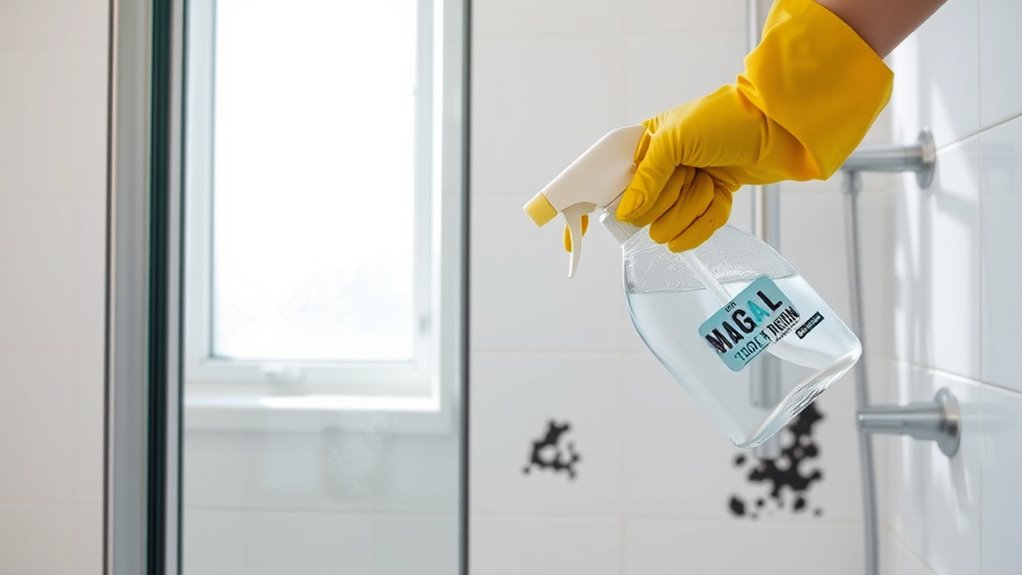
Eliminate Mold in Your Bathroom With These 3 Easy Steps
Dealing with mold in your bathroom can be really frustrating, and you’re not alone. Many people struggle with keeping their bathrooms clean and mold-free, especially in damp, humid spaces where mold loves to grow. If you’re tired of battling those pesky dark spots and unpleasant smells, you’re in the right place.
You can eliminate mold in your bathroom by first identifying mold spots safely—look for dark patches or musty smells while wearing gloves and a mask.
Next, clean the mold naturally using vinegar, baking soda, or tea tree oil to avoid harsh chemicals.
Finally, improve ventilation by running fans during and after showers and opening windows to reduce moisture. These simple steps help keep your bathroom mold-free.
Keep going, and you’ll find more ways to maintain a fresh, healthy space.
Key Takeaways
- Identify mold spots by inspecting damp areas. Look for dark patches, powdery texture, and musty smells while wearing protective gear.
- Remove mold naturally using white vinegar, baking soda, or tea tree oil for safe and effective cleaning.
- Improve bathroom ventilation by running fans during and 20 minutes after showers to reduce moisture.
- Open windows regularly to enhance air circulation and prevent mold growth.
- Keep vents unobstructed and monitor humidity levels to maintain a dry, mold-free bathroom environment.
Identify Mold Spots Safely
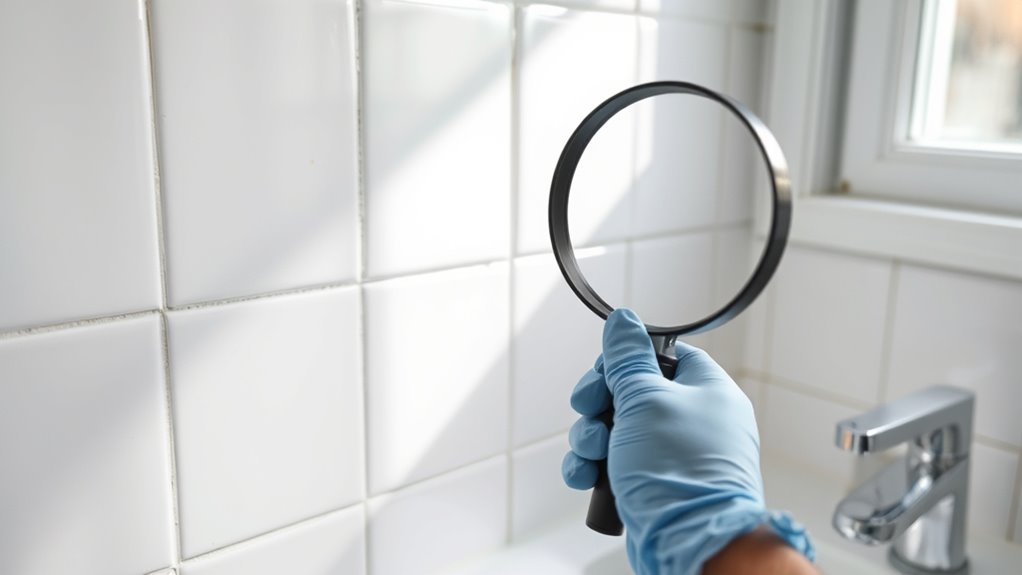
Before you begin cleaning, you need to identify mold spots safely to avoid health risks. Mold types vary, with common bathroom offenders including black mold, mildew, and Aspergillus. Each type might look different. Black mold often appears as dark green or black patches, while mildew looks powdery or fluffy.
To spot these mold types, use proper detection techniques like visually inspecting damp corners, under sinks, and around grout lines. You can also rely on a moisture meter to uncover hidden dampness where mold thrives. If you notice a musty smell or discoloration, it’s a sign you should investigate further.
Always wear gloves and a mask while inspecting to protect yourself from spores. Avoid disturbing large mold colonies, as this can release more spores into the air. By identifying the mold spots correctly and safely, you’ll be ready to tackle the problem effectively without compromising your health.
Eliminate Mold in Your Bathroom With Natural Remedies
Although commercial cleaners can be effective, you can eliminate bathroom mold using natural remedies that are safer for your health and the environment. Eco friendly cleaning methods rely on common household remedies that cut through mold without harsh chemicals. Here are three simple and natural options to try:
- White Vinegar: Spray undiluted white vinegar on moldy surfaces, let it sit for an hour, then scrub and rinse. Vinegar’s acidity kills most mold spores effectively.
- Baking Soda: Mix a tablespoon of baking soda with water to form a paste. Apply it to mold spots, scrub gently, then rinse. Baking soda deodorizes and removes mold without damaging surfaces.
- Tea Tree Oil: Combine one teaspoon of tea tree oil with a cup of water in a spray bottle. Spray the mixture on mold, leave it to dry, no rinsing needed. Tea tree oil is a powerful natural antifungal agent.
Using these household remedies supports eco friendly cleaning while keeping your bathroom mold-free naturally.
Improve Bathroom Ventilation to Prevent Mold
Natural remedies can help you tackle existing mold, but preventing its return means controlling moisture in your bathroom. Improving bathroom ventilation is key. You should install or upgrade ventilation fans to efficiently remove excess humidity after showers or baths.
Running these fans for at least 20 minutes post-shower reduces moisture buildup and limits mold growth. Proper moisture control also involves opening windows when possible and ensuring vents are unobstructed.
Here’s a quick overview of effective ventilation strategies:
| Action | Benefit |
|---|---|
| Use ventilation fans | Removes humid air quickly |
| Open bathroom windows | Improves air circulation |
| Keep vents clear | Ensures efficient airflow |
| Run fans post-shower | Prevents moisture accumulation |
Frequently Asked Questions
Can Mold in Bathrooms Cause Health Problems?
Yes, mold in bathrooms can cause health problems. When mold spores become airborne, you can easily inhale them, which might trigger allergies, respiratory issues, or worsen asthma.
You could experience symptoms like coughing, sneezing, or skin irritation. Mold exposure poses health risks, especially if you have a weakened immune system.
It’s important you address mold growth promptly to protect your health and prevent these potential complications.
How Often Should I Inspect My Bathroom for Mold?
You should perform a mold inspection in your bathroom at least once a month to catch any early signs. Since bathrooms are prone to moisture, keeping an eye on mold growth is essential.
Make sure you maintain proper bathroom ventilation by using exhaust fans or opening windows during and after showers. Good ventilation helps reduce humidity, making it harder for mold to develop and keeping your bathroom healthier overall.
Are There Specific Paints That Resist Mold Growth?
Yes, you can use mold resistant paints specifically designed to prevent mold growth in damp areas. When you’re doing bathroom painting, these paints contain antimicrobial agents that help keep mold at bay. They’re perfect for high-moisture spots like walls and ceilings.
Just make sure you prep the surface well and apply the paint evenly for the best protection. Using mold resistant paints will make maintaining a mold-free bathroom much easier for you.
Can a Dehumidifier Help Prevent Bathroom Mold?
Yes, a dehumidifier can help prevent bathroom mold by reducing excess moisture, one of the main causes of mold growth. Using a dehumidifier benefits your bathroom’s air quality and keeps humidity levels in check.
For effective mold prevention, combine this with proper ventilation and regular cleaning. Following these mold prevention tips, you’ll create a less favorable environment for mold, helping you maintain a cleaner, healthier bathroom space.
What Should I Do if Mold Keeps Returning?
If mold keeps returning, you’re not alone. Studies show 85% of homes face recurring mold issues. To tackle this, focus on mold prevention by improving your ventilation strategies.
You should use exhaust fans during and after showers, open windows when possible, and consider a dehumidifier to keep moisture low. Also, clean surfaces regularly with mold-killing solutions.
Consistent ventilation and moisture control are your best defenses against stubborn mold.
Conclusion
Think of your bathroom like a garden. If you don’t pull the weeds (mold) early and keep the air fresh like a gentle breeze, those unwanted plants will take over.
By spotting mold promptly, cleaning it naturally, and improving ventilation, you’re tending to your space with care. Just as a gardener nurtures growth and stops pests, you’re protecting your bathroom’s health.
This makes it a clean, safe haven where mold can’t thrive. Eliminating mold in your bathroom is all about these simple steps that keep your space fresh and healthy.