Best Fall Home Maintenance Tips: 10 Essentials You Can’t Ignore
Getting your home ready for fall can feel overwhelming, and you’re not alone if you struggle to know where to start. Many people find it challenging to tackle all the essential maintenance tasks before the cold weather sets in. That’s why we’ve put together these best fall home maintenance tips to help you breeze through the season with confidence and ease.
You can’t ignore sealing drafts around doors and windows to save energy and keep warmth inside. Clean gutters and downspouts to prevent water damage and inspect your roof for missing or damaged shingles. Store outdoor furniture, rake leaves, and aerate your lawn for better winter readiness.
Protect plumbing from freezing and prepare your chimney and fireplace. Test smoke and carbon monoxide detectors, then stock up on winter supplies and emergency gear. Taking these steps now sets you up for a safer, cozier season ahead.
Key Takeaways
- Seal drafts around doors and windows to improve insulation and reduce heat loss during colder months. This simple step can make a big difference in keeping your home warm and energy-efficient.
- Clean gutters and downspouts to ensure proper drainage. This helps prevent water damage to your home’s foundation when heavy rains come.
- Schedule heating system inspections and replace filters regularly. Keeping your heating system in good shape means it will run efficiently and safely all winter long.
- Inspect and clean chimneys and fireplaces to prevent blockages and fire hazards before winter use. A clean chimney is safer and helps your fireplace work better.
- Stock up on winter supplies like rock salt, shovels, and emergency kits. Being prepared means you’ll stay safe and ready when storms hit.
Check and Seal Drafts Around Doors and Windows
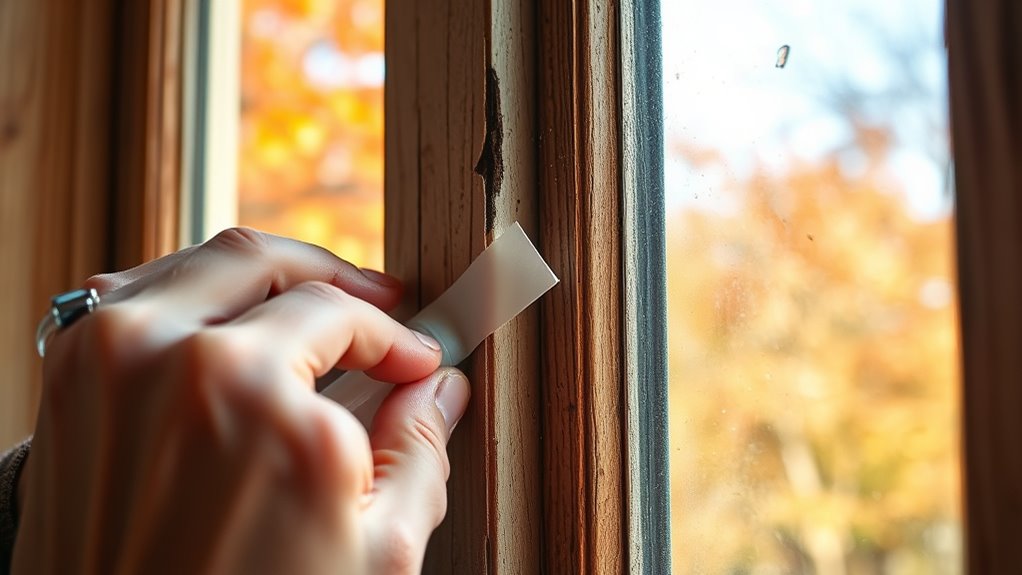
Before the cold sets in, you should check for drafts around your doors and windows. Draft prevention is key to keeping your home warm and energy-efficient during fall.
Start by running your hand along the edges of doors and window frames to feel for any cold air sneaking in. You can also use a candle or incense stick. If the flame flickers or smoke wavers, you’ve found a draft.
Once you identify problem areas, seal them with weatherstripping or caulk to stop air leaks. These simple steps improve insulation and prevent heat loss, which helps reduce your energy bills.
Don’t forget to inspect your window panes for any cracks and replace damaged seals. These insulation improvements not only boost comfort but also protect your home from moisture damage during colder months.
Clean and Inspect Gutters and Downspouts
While leaves and debris start to fall, you should clean and inspect your gutters and downspouts to prevent clogs and water damage. Gutter debris can accumulate quickly, leading to water overflow that damages your home’s foundation and siding.
Don’t forget to check for downspout blockage, which stops water from draining properly and causes pooling near your home’s base.
Here’s a quick checklist to guide you:
| Task | What to Look For | Tools Needed |
|---|---|---|
| Remove Gutter Debris | Leaves, twigs, dirt | Gloves, scoop, bucket |
| Check Downspout Flow | Water drain speed, blockages | Garden hose |
| Inspect Gutter Condition | Cracks, rust, loose parts | Ladder, flashlight |
Regular cleaning and inspections prevent costly repairs. Make it part of your fall routine to keep water flowing smoothly away from your home.
Inspect and Repair Your Roof Before Winter
Since winter weather can be harsh on your home, you should inspect your roof now to catch any damage that could worsen with snow, ice, or strong winds. Start your roof inspection by looking for missing, cracked, or curled shingles, which can let moisture seep in.
Check flashing around chimneys and vents to ensure it’s secure and intact. Don’t forget to examine the attic for signs of leaks, such as water stains or mold growth.
Addressing these issues early is key to leak prevention and avoiding costly repairs later. If you spot damaged areas, make necessary repairs or call a professional to fix them promptly.
Taking these steps protects your home’s structure and preserves energy efficiency throughout winter. Regular roof inspection before the cold season helps you stay ahead of potential problems, keeping your home safe and dry when the weather turns severe.
Store Outdoor Furniture and Garden Tools for Fall
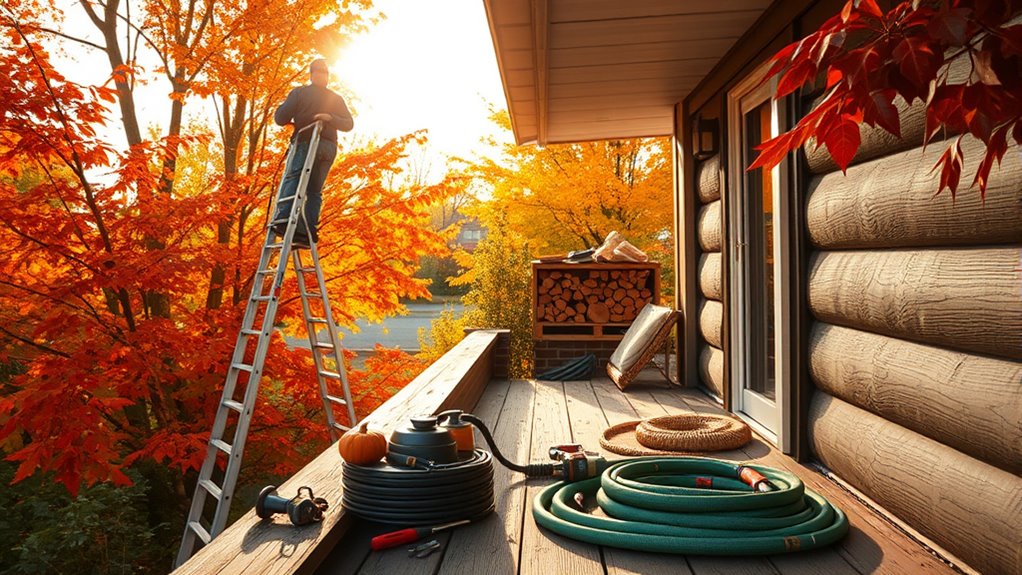
As temperatures drop, you’ll want to store your outdoor furniture and garden tools properly to protect them from harsh fall and winter weather. Start by cleaning your furniture and tools to prevent rust and damage.
Use waterproof covers and choose a dry, sheltered outdoor storage area or a shed to keep items safe. For garden organization, label boxes and hooks for easy access next spring.
Here’s a quick guide to help you:
| Item | Cleaning Tips | Storage Suggestions |
|---|---|---|
| Outdoor Furniture | Wash, dry, cover with tarp | Store in shed or garage |
| Garden Tools | Remove dirt, oil metal parts | Hang on wall hooks |
| Cushions/Pillows | Wash fabric covers | Store in waterproof bins |
Rake Leaves and Maintain Your Lawn This Fall
Before the leaves pile up and smother your grass, rake them regularly to keep your lawn healthy and vibrant. Leaving leaves on your lawn can block sunlight and trap moisture, creating a breeding ground for mold and pests. Proper leaf disposal is essential. Either compost them or use a local leaf collection service to prevent yard clutter and promote a cleaner landscape.
In addition to raking, consider lawn aeration this fall. Aerating your lawn helps relieve soil compaction, improves water absorption, and allows nutrients to reach the roots more effectively. This process prepares your grass for the upcoming winter and encourages stronger growth in spring.
Service Your Heating System Before the Cold Hits
When temperatures start to drop, you’ll want your heating system running smoothly and efficiently. Begin by scheduling a professional inspection to catch any hidden issues early.
Don’t forget to replace or clean the heating system filter. This simple step improves airflow and boosts efficiency, preventing costly breakdowns.
While you’re at it, check your thermostat calibration to ensure your home stays at the right temperature without wasting energy. An incorrectly calibrated thermostat can cause your system to overwork or underperform, leading to discomfort and higher bills.
Also, clear any debris around outdoor units and verify that vents inside your home are unobstructed. Taking these steps now helps avoid emergency repairs and keeps your heating running reliably all season.
Protect Plumbing From Freezing Temperatures
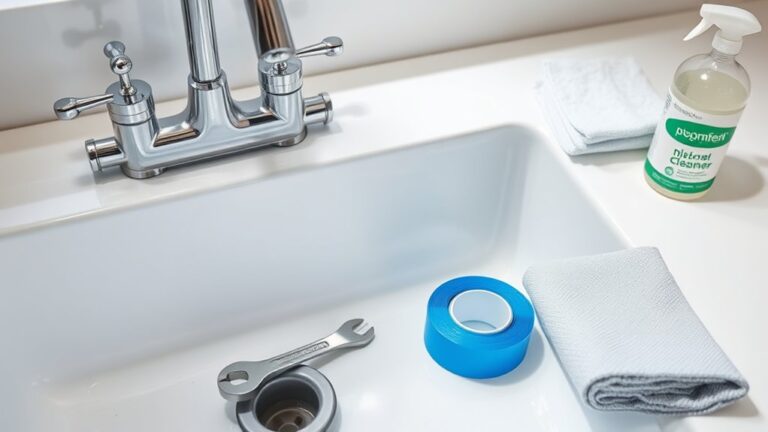
Keeping your heating system in top shape helps maintain warmth, but protecting your plumbing from freezing temperatures is just as important to prevent costly damage. You should start by applying pipe insulation to any exposed pipes, especially those in unheated areas like basements, attics, or crawl spaces. Insulating pipes helps prevent freezing and bursting, which can lead to expensive repairs and water damage.
Next, consider letting your faucet drips slightly during extreme cold snaps. A slow drip keeps water moving, reducing the chance of pipes freezing. Also, close any crawl space vents and seal leaks near plumbing to block cold air from reaching your pipes. If you have outdoor faucets, disconnect hoses and shut off water supply valves to avoid frozen outdoor pipes.
Taking these precautions ensures your plumbing stays safe all winter, saving you from unexpected headaches and costly fixes when temperatures drop.
Get Your Chimney and Fireplace Ready for Fall
As the weather cools, you’ll want to make certain your chimney and fireplace are clean and safe to use. Start by scheduling a professional chimney inspection to check for blockages, creosote buildup, or structural damage. This step helps prevent fire hazards and guarantees proper ventilation.
Next, focus on fireplace cleaning. Remove ashes and debris from the firebox to improve airflow and efficiency. Don’t forget to inspect the damper and make sure it opens and closes smoothly.
If you spot any cracks or soot stains, address them promptly to avoid bigger issues. Regular maintenance not only keeps your fireplace running safely but also boosts its warmth and ambiance throughout fall.
Test Your Smoke and Carbon Monoxide Detectors
After verifying your fireplace is safe and clean, turn your attention to the devices that protect your home from smoke and carbon monoxide. Testing your smoke and carbon monoxide detectors is a critical step in fall home maintenance that you can’t ignore. Proper detector placement improves fire safety and ensures early warning in emergencies.
Here’s how to test and maintain your detectors:
- Press the test button on each smoke and carbon monoxide detector to confirm the alarm sounds.
- Replace batteries annually or when the low-battery warning chirps.
- Check detector placement. Install smoke alarms inside every bedroom, outside sleeping areas, and on every level of your home.
- Clean the detectors gently with a vacuum or soft brush to remove dust that may impair function.
Regular testing and proper placement help keep your family safe from fire hazards and carbon monoxide poisoning as the weather turns colder.
Stock Up on Winter Supplies and Emergency Gear
Before the cold weather settles in, make sure you’ve stocked up on essential winter supplies and emergency gear. Prioritize winter preparedness by gathering items like rock salt, shovels, and ice melt to keep walkways safe.
Stock up on winter essentials like rock salt, shovels, and ice melt before cold weather arrives.
Don’t forget to check your supply of flashlights, batteries, and portable phone chargers to maintain emergency readiness during power outages. It’s also wise to have a well-stocked emergency kit with blankets, non-perishable food, water, and a first aid kit.
Review your supplies regularly to replace expired items and verify everything is in good working order. By staying proactive, you’ll avoid last-minute trips to crowded stores when severe weather hits.
Keeping these essentials on hand not only protects your home but also provides peace of mind throughout the winter months. Your commitment to winter preparedness and emergency readiness will make challenging conditions much easier to handle.
Frequently Asked Questions
How Can I Improve Indoor Air Quality During Fall?
You can improve indoor air quality during fall by focusing on indoor air purification and humidity control. Use air purifiers with HEPA filters to reduce dust, allergens, and pollutants.
Keep humidity levels between 30-50% to prevent mold growth and maintain comfort. Regularly change HVAC filters and ventilate your home by opening windows on dry days.
These steps will help you breathe easier and keep your indoor environment healthy as the season changes.
What Are the Best Energy-Efficient Lighting Options for Autumn?
As autumn paints your home in warm hues, choose smart bulbs and LED fixtures to brighten your space efficiently. These lighting options save energy like a cozy sweater saves warmth.
Smart bulbs let you adjust brightness and color to match fall’s golden glow, while LED fixtures use less power and last longer. You’ll enjoy a comfy, eco-friendly atmosphere without hiking your energy bills, perfect for crisp, cozy evenings indoors.
How Do I Prepare My Septic System for Colder Months?
To prepare your septic system for colder months, start by scheduling a professional inspection during fall maintenance to catch any issues early. Avoid flushing harsh chemicals or heavy grease that can freeze and clog pipes.
Insulate exposed pipes and keep your system’s drain field clear of leaves and debris. Also, minimize water usage to prevent system overload. These steps help guarantee your septic system runs smoothly throughout winter.
When Should I Schedule Pest Control Treatments in the Fall?
You should schedule pest control treatments in early fall, right after your garden cleanup. While the yard looks neat and clear, pests are still searching for shelter before winter.
Acting now maximizes pest prevention by stopping them before they invade your home. Waiting too long lets pests settle in, making treatments less effective.
What Are the Top Fall Landscaping Plants to Add Curb Appeal?
You should add plants like mums, ornamental kale, and asters to boost your fall foliage and curb appeal. These hardy plants bring vibrant colors that improve your landscaping design during cooler months.
Consider pumpkins and decorative grasses too. They add texture and seasonal charm. Incorporating evergreens like boxwoods provides structure and year-round interest.
Conclusion
You’ll want to check and seal drafts, clean gutters, and inspect your roof. Store outdoor furniture, rake leaves, and protect plumbing from freezing.
Get your chimney ready, test detectors, and stock up on supplies. By taking these steps, you’ll keep your home cozy, safe, and ready for winter.
Don’t wait, start your fall maintenance today to enjoy a worry-free season filled with comfort and peace of mind. These fall home maintenance tips are essentials you can’t ignore.