7 Best Apartment Maintenance Tips You Should Know
Keeping your apartment in great shape can feel overwhelming, especially when unexpected maintenance issues pop up. You’re not alone—many people struggle with staying on top of repairs and upkeep while juggling busy lives. That’s why we’ve gathered the 7 Best Apartment Maintenance Tips You Should Know to help make your living space safer and more comfortable without the hassle.
Keep your apartment safe and comfortable by regularly checking for leaks and using a pressure regulator to avoid plumbing issues. Spot mold early by inspecting damp areas and fixing leaks fast.
Maintain efficient heating and cooling by sealing gaps and cleaning filters.
Avoid electrical hazards by not overloading outlets and reporting issues promptly. Care for kitchen appliances with routine cleaning and proper use. Handle minor surface repairs gently to preserve appearances.
Following these easy steps lays a strong foundation for hassle-free living. There’s more to learn for thorough upkeep, but this guide will get you started on the right foot.
Key Takeaways
- Regularly inspect plumbing and fix leaks promptly to prevent water damage and mold growth.
- Clean and maintain kitchen appliances and seals to keep them efficient and extend their lifespan.
- Replace HVAC filters monthly. Also, schedule annual professional maintenance to keep the system running smoothly.
- Avoid electrical hazards by not overloading outlets. Report any wiring issues to your landlord right away.
- Keep clear communication with your landlord. Report issues early and make sure to document all maintenance interactions.
How to Prevent Plumbing Issues in Your Apartment
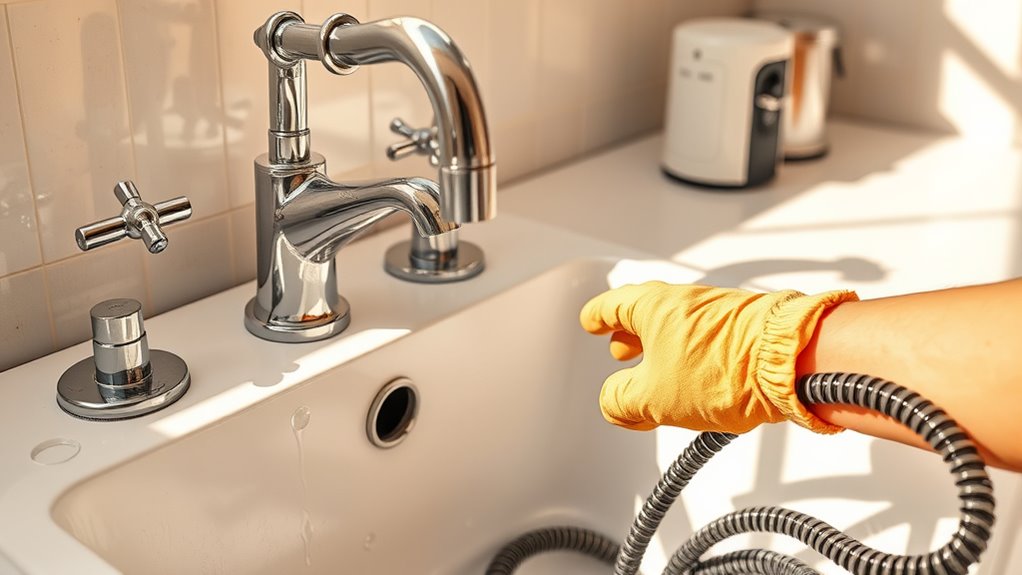
Although plumbing problems can be frustrating, you can prevent many common issues by taking simple steps. Start by checking your apartment’s water pressure. If it’s too high, it can strain pipes and cause leaks. You might want to use a pressure regulator to keep it within a safe range.
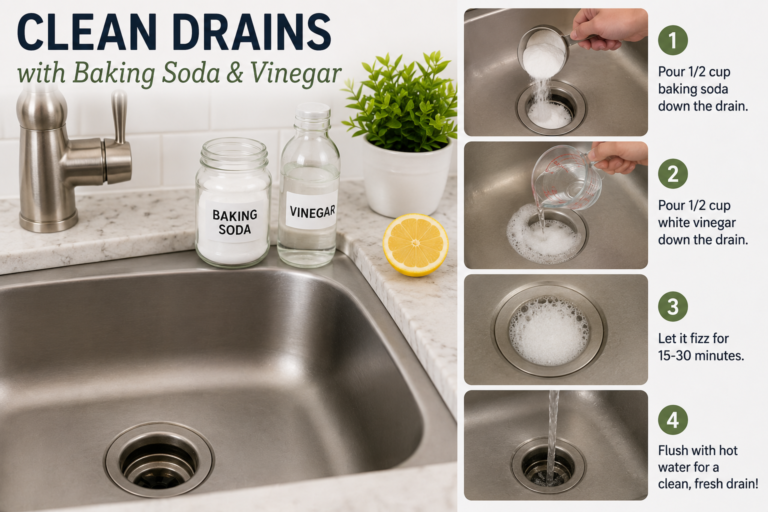
Another key step is pipe insulation, especially in colder months. Insulating pipes helps prevent them from freezing and bursting, saving you from costly repairs. Be mindful of what you flush or pour down the drain. Avoid grease, coffee grounds, and large food scraps, which often cause clogs.
Regularly inspect under sinks and around appliances for any signs of leaks or moisture buildup. Acting quickly on small issues prevents them from becoming bigger problems. By staying proactive with these simple maintenance tips, you’ll keep your apartment’s plumbing system running smoothly and avoid inconvenient disruptions.
How to Spot and Handle Mold and Moisture Problems Quickly
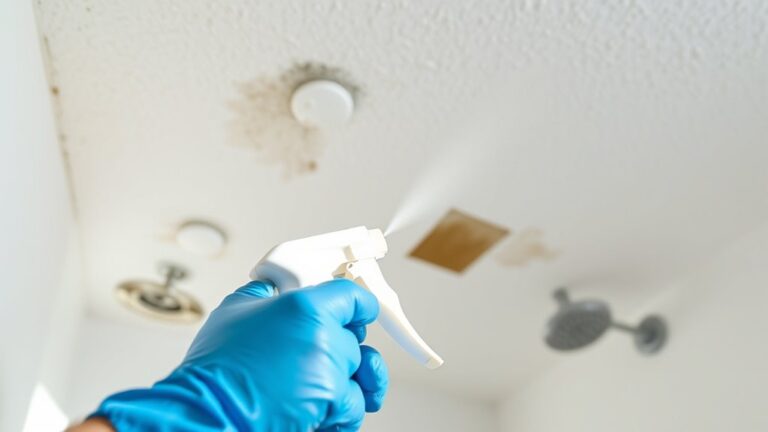
Water leaks and plumbing issues often lead to moisture buildup, which creates the perfect environment for mold growth. To stay ahead, practice regular mold detection by inspecting damp areas like under sinks, around windows, and near appliances. Look for discoloration, musty odors, or visible mold patches. Early detection helps you tackle problems before they escalate.
For effective moisture control, fix leaks promptly and guarantee proper ventilation in bathrooms and kitchens. Use dehumidifiers in humid spaces to keep moisture levels in check. If you spot mold, clean small areas with a mixture of water and detergent, wearing gloves and a mask. For larger infestations, contact your apartment management or a professional.
How to Keep Your Apartment Heating and Cooling Efficient
When you maintain your apartment’s heating and cooling systems regularly, you’ll save energy and reduce utility costs. Start by checking your thermostat calibration to guarantee it accurately reflects your apartment’s temperature. An incorrectly calibrated thermostat can cause your system to run longer than necessary, wasting energy.
Next, focus on insulation improvement. Proper insulation keeps warm or cool air inside, reducing the workload on your heating and cooling units. Seal gaps around windows and doors with weatherstripping or caulk to prevent drafts.
Also, clean or replace filters monthly to maintain airflow and system efficiency. Don’t block vents with furniture or curtains, as this restricts air circulation. Finally, schedule professional maintenance annually to catch issues early and optimize performance.
Apartment Electrical Maintenance Tips for Renters
You should use outlets safely to prevent overloading and avoid potential electrical fires. Keep an eye out for signs of trouble, like frayed cords or flickering lights. If you notice anything unusual, make sure to report it right away. Staying alert like this helps keep your apartment safe and your electrical system running smoothly.
Safe Use of Outlets
Outlets are essential for powering your devices, but they can also pose safety risks if misused. To guarantee electrical safety, always avoid overloading outlets with too many plugs or high-wattage appliances.
Use power strips with built-in circuit breakers when you need multiple devices plugged in. Regular outlet maintenance is key. Check for loose or damaged outlets and report any issues to your landlord promptly.
Never force plugs into outlets and keep outlets dry to prevent shocks. Childproofing outlets with safety covers is also a smart move if you have little ones around.
Identifying Electrical Hazards
How can you spot potential electrical hazards before they become serious problems? Start by regularly performing a wiring inspection. Look for frayed cords, exposed wires, or any signs of damage around outlets and switches.
Flickering lights or frequent breaker trips can signal circuit safety issues that need immediate attention. Avoid overloading outlets with too many devices, as this can cause overheating.
If you notice a burning smell or scorch marks near outlets, unplug devices and report it to your landlord right away. Remember, never attempt complex electrical repairs yourself.
Staying vigilant with these checks helps prevent fires and keeps your apartment safe. Prioritize circuit safety by addressing issues early and scheduling professional wiring inspections when necessary.
How to Keep Kitchen Appliances Running Smoothly
To keep your kitchen appliances running smoothly, it’s a good idea to stick to a regular cleaning routine. You’ll also want to check the seals for any wear or damage.
If you spot any faulty seals, be sure to replace them promptly. This helps you avoid leaks and saves energy in the long run.
And here’s another tip: try not to overload your appliances. Doing so can put unnecessary strain on them and shorten their lifespan. Taking these small steps can really make a difference!
Regular Cleaning Routine
Although it might seem like a simple chore, maintaining a regular cleaning routine for your kitchen appliances guarantees they work efficiently and last longer. Start by creating a cleaning schedule to tackle each appliance methodically. Clean daily for frequently used items like your microwave, and weekly or monthly for others like your oven or refrigerator.
Use decluttering tips to clear out expired food and unnecessary items around your appliances. This helps prevent buildup and improves airflow. Wipe surfaces, remove crumbs, and clean filters regularly to avoid malfunctions.
Sticking to this routine not only keeps your kitchen tidy but also saves you money on repairs and replacements. With consistent care, your appliances will stay in top shape, making your apartment maintenance easier and more effective.
Inspect and Replace Seals
Since seals play an essential role in keeping your kitchen appliances airtight and efficient, inspecting them regularly can prevent leaks and energy loss. Start with a thorough seal inspection on your refrigerator, dishwasher, and oven doors. Look for cracks, gaps, or signs of wear that could compromise their effectiveness.
If you spot any damage, don’t hesitate to perform a seal replacement promptly. Faulty seals can increase your energy bills and reduce appliance lifespan. When replacing seals, guarantee you use the correct type and size to maintain a proper fit.
Regularly checking and maintaining these seals helps your appliances run smoothly and saves money in the long run. Make seal inspection and replacement a part of your routine maintenance to keep everything working efficiently.
Avoid Overloading Appliances
Overloading your kitchen appliances can quickly lead to breakdowns and reduced efficiency. When you push appliances beyond their limits, you shorten their lifespan and risk costly repairs.
To keep everything running smoothly, load dishwashers, washing machines, and microwaves according to manufacturer guidelines. Avoid cramming too many dishes or heavy items in at once.
Proper power management also plays a key role. Don’t run multiple high-energy appliances simultaneously, as this can overload circuits and cause malfunctions.
Easy Repairs for Common Wall and Floor Damage in Apartments
When you notice small dents, scratches, or scuffs on your apartment walls and floors, you can fix them quickly without calling a professional. For minor wall damage, try wall patching kits available at most hardware stores. These kits include spackling compound and sandpaper, letting you fill holes or dents smoothly.
Apply the compound, let it dry, then sand it flat before repainting. This approach keeps your walls looking fresh and prevents damage from worsening.
For floor damage, light scratches or dullness on wooden floors can be improved with floor sanding. You don’t need heavy equipment; small handheld sanders or sanding blocks work well for spot repairs.
Sand gently to remove surface imperfections, then apply a suitable finish or polish to restore shine. Taking these simple steps helps maintain your apartment’s appearance and prevents costly repairs down the line. With just a bit of effort, you can keep your living space looking well cared for.
When and How to Communicate Maintenance Needs With Your Landlord
Although you might handle minor repairs yourself, it’s important to promptly inform your landlord about maintenance issues that require professional attention. Effective tenant communication guarantees problems don’t escalate and helps maintain a safe living environment. When you notice a problem, report it as soon as possible via your landlord’s preferred method: email, phone, or an online portal. Be clear and specific about the issue, providing photos if necessary.
For maintenance scheduling, coordinate with your landlord to find a convenient time for repairs that won’t disrupt your routine. Keep records of all communications and confirmed appointments to avoid confusion. If an emergency arises, notify your landlord immediately and follow up in writing. Staying proactive and organized in tenant communication helps build a positive relationship and ensures your maintenance needs are addressed efficiently.
Frequently Asked Questions
How Often Should I Schedule Professional Apartment Maintenance?
You should schedule professional apartment maintenance at least twice a year to guarantee tenant safety and stay prepared for emergencies. Regular check-ups help catch issues early, preventing costly repairs and hazards.
Don’t wait for problems. Routine inspections keep everything running smoothly, from plumbing to electrical systems. If you notice anything unusual, call a pro immediately.
Staying proactive helps you avoid emergencies and keeps your apartment safe and comfortable.
What Are the Best Tools Every Renter Should Own?
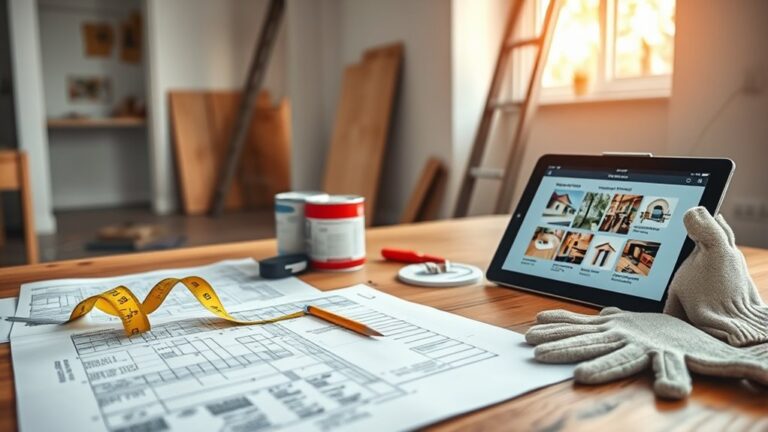
You should own essential tools like a screwdriver set, pliers, a hammer, and a tape measure for quick DIY repairs. A wrench and a utility knife also come in handy for minor fixes.
These tools help you tackle common apartment issues without waiting for professional help, saving time and money. With this basic toolkit, you’ll feel confident handling small repairs and keeping your space in great shape.
Can I Make Permanent Modifications to My Apartment?
You absolutely can’t just start knocking down walls or painting your entire apartment neon green without permission! Apartment customization often requires getting the green light from your landlord.
Permanent modifications usually need a lease modification or written approval to avoid losing your security deposit or facing eviction. Always check your lease and talk to your landlord before making any big changes.
That way, you keep your apartment cozy without risking your rental agreement.
How Do I Prepare My Apartment for Seasonal Changes?
To prepare your apartment for seasonal changes, start with seasonal cleaning. Clear out dust, declutter, and wash windows to let in more light.
Next, focus on weatherproofing tips. Seal gaps around windows and doors to keep drafts out, check your heating or cooling systems, and swap out heavy curtains for lighter ones in warmer months.
These steps help you stay comfortable and reduce energy bills as the seasons shift.
What Should I Do if Maintenance Requests Are Ignored?
If your maintenance requests feel like they’re echoing in an empty cave, don’t stay silent. You should document every attempt and keep clear tenant communication with your landlord or management.
If that doesn’t work, escalate the issue through formal channels like a maintenance escalation email or tenant advocacy groups. Staying organized and persistent guarantees your concerns won’t be buried, and you get the repairs you need to keep your apartment livable.
Conclusion
By staying on top of these apartment maintenance tips, you’ll keep your space comfortable and avoid costly headaches down the road. Remember, a stitch in time saves nine. Catching small issues early makes a big difference.
Whether it’s plumbing, mold, or electrical problems, acting quickly and communicating clearly with your landlord will help you enjoy your home without worry. Stay proactive, and your apartment maintenance will make your space a place you’re proud to call your own.