5 Simple Steps to Build Raised Garden Beds
Struggling to create the perfect garden space that’s both manageable and productive? You’re not alone. Many people find it challenging to start a garden that doesn’t require endless bending or weeding. Raised garden beds can be a game-changer, making gardening easier and more enjoyable for everyone.
To build raised garden beds, start by choosing a sunny, well-drained spot and size your bed for easy access. Next, pick durable materials like cedar or composite wood, matching your tools for smooth construction. Clear and level the site to guarantee proper drainage, then build and securely fasten the frame with sturdy screws or brackets.
Finally, fill the bed with nutrient-rich soil mixed with compost for healthy plants. Keep going to uncover tips that will make your project even easier and more effective.
Key Takeaways
- Choose a sunny, well-drained location and figure out the bed size that allows easy access and matches how many crops you want to grow.
- Pick durable, rot-resistant materials like cedar or composite lumber that work well with your tools.
- Clear and level the site by removing debris and making sure the ground is even. This helps prevent water from pooling.
- Build the frame by cutting the boards to size. Secure the corners with screws or brackets, and add reinforcements if needed.
- Fill the bed with a nutrient-rich mix of high-quality soil and balanced compost to give your plants the best start.
Choose Your Raised Bed Location and Size
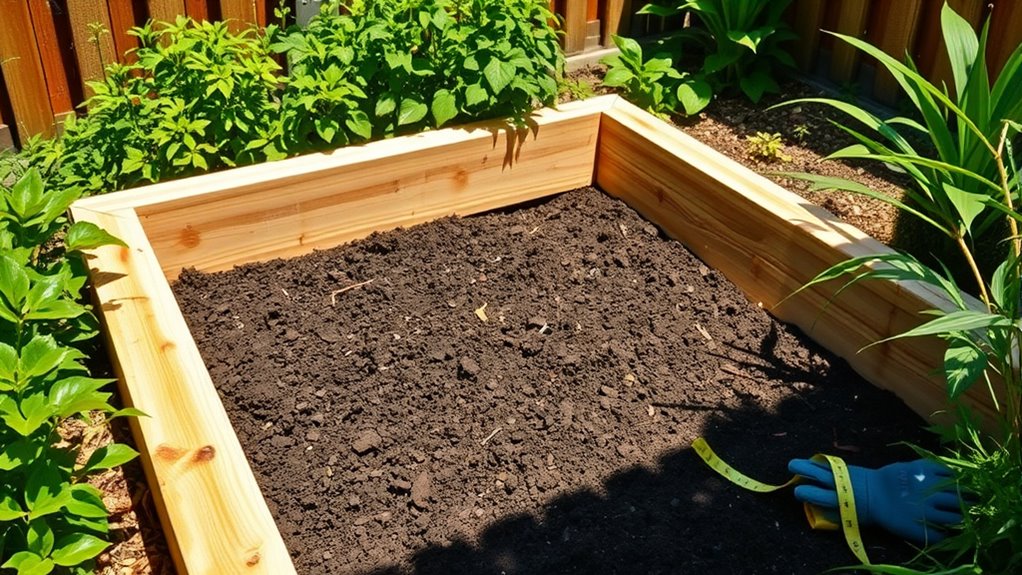
Choosing the right location and size for your raised garden bed sets the foundation for a successful garden. You want a spot that gets at least six hours of sunlight daily to help your plants thrive. Make sure the area has good drainage to avoid waterlogging.
When deciding on size, consider how much space you have and how much you want to grow. Typical beds are 4 feet wide, allowing easy access without stepping in the soil.
Good soil amendments are key, so choose a location where you can easily mix in compost or other nutrients to enrich the soil. Also, think about pest control. Placing your bed away from areas that attract pests, like dense shrubbery or standing water, can reduce problems.
Pick the Right Materials and Tools for Your Raised Bed
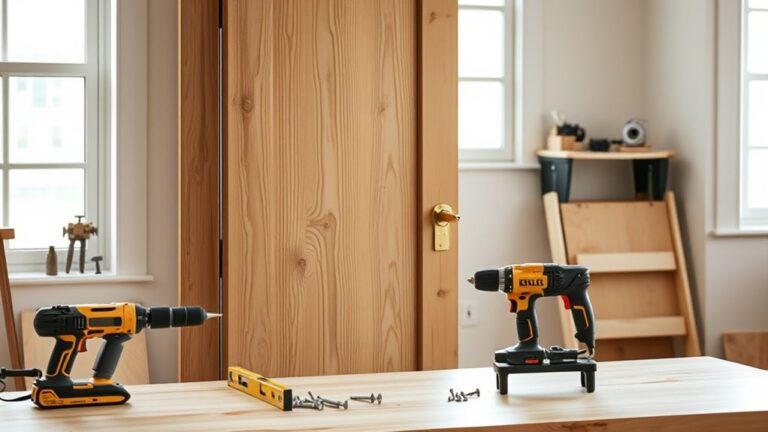
Once you’ve picked the perfect spot and size for your raised garden bed, it’s time to gather the right materials and tools to bring your project to life. Focus on material durability to guarantee your bed lasts through seasons. Cedar and redwood resist rot, while composite lumber offers low maintenance.
Also, consider tool compatibility. Choose materials that work well with the tools you have or plan to buy to avoid unnecessary frustration.
Here’s a quick guide to help you decide:
| Material | Tool Compatibility |
|---|---|
| Cedar Wood | Compatible with standard saws, drills, and screws |
| Composite Lumber | Requires carbide-tipped blades and specific fasteners |
| Metal | Needs metal cutting tools and rust-resistant hardware |
Selecting the right materials and compatible tools sets a solid foundation for your raised bed, saving time and effort during construction.
Prepare and Level Your Garden Site for Raised Beds
Before you start building, clear the garden site of debris and weeds to create a clean workspace. This step makes it easier to level the ground and reduces the chance of pests hiding nearby.
Next, test your soil to understand its composition and pH. Soil testing helps you identify any nutrient deficiencies and informs how you prepare the bed’s base, ensuring your plants thrive.
Once you know your soil’s condition, rake the area smooth and use a level to create an even surface. Proper leveling prevents water pooling and uneven plant growth. You can use a shovel or hoe to remove high spots and fill in low areas.
Finally, consider pest prevention by removing any nearby plant debris or standing water, which can attract insects and rodents. Taking these preparatory steps sets a solid foundation for your raised garden bed, helping your plants grow healthy and strong.
Build and Secure the Raised Bed Frame
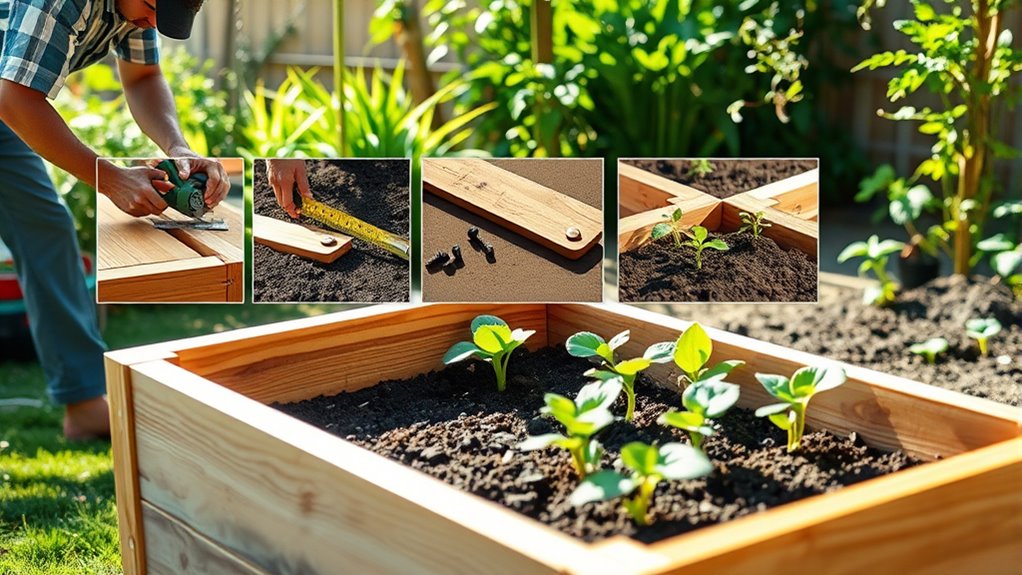
After preparing your site, you’ll want to select sturdy materials like cedar or composite wood to build your raised bed frame. These materials resist rot and pests, helping with long-term pest control. Measure and cut your boards to the desired size, then join them securely using galvanized screws or corner brackets.
Make certain the frame sits evenly on your leveled site to promote proper soil drainage. Once assembled, reinforce the corners to prevent warping or shifting over time. You can also add a wire mesh at the bottom to keep burrowing pests out without restricting drainage.
Securing the frame firmly ensures it holds shape and withstands weather conditions. By building a solid, well-ventilated frame, you not only create a supportive structure but also encourage healthy soil drainage and reduce pest problems. This sets a strong foundation for your garden’s success.
Fill Your Raised Bed With Quality Soil and Compost
With your raised bed frame securely in place, the next step is to fill it with nutrient-rich soil and compost. Start by choosing a high-quality soil base that offers good drainage and aeration. Next, blend it with a well-balanced compost mixture to boost soil enrichment.
This combination provides essential nutrients and improves moisture retention, creating the perfect environment for your plants to thrive. Make sure to layer the compost evenly throughout the soil to avoid nutrient hotspots.
You can mix the soil and compost in a wheelbarrow or directly in the bed, whichever works best for you. Avoid using garden soil alone, as it can be compacted and lack sufficient nutrients.
Frequently Asked Questions
How Often Should I Water Plants in Raised Garden Beds?
You should water plants in raised garden beds about every day or every other day, depending on weather and soil moisture. Stick to a consistent watering schedule to maintain proper plant hydration.
Check the soil regularly; if it feels dry an inch below the surface, it’s time to water. Remember, raised beds drain faster, so you might need to water more often during hot or windy days to keep your plants healthy and thriving.
What Plants Grow Best in Raised Garden Beds?
You’ll find that leafy greens, tomatoes, peppers, and root vegetables grow best in raised garden beds. Using companion planting can boost growth and reduce pests, like planting basil near tomatoes.
Don’t forget crop rotation; changing plant families each season keeps soil healthy and nutrient-rich. This approach helps you avoid diseases and maintain productivity, so your raised beds stay fruitful and vibrant throughout the year.
How Do I Prevent Pests in Raised Garden Beds?
You can reduce pest damage by up to 50% when you plant pest resistant plants like marigolds or basil around your garden. Use natural pest deterrents such as neem oil or garlic spray to keep bugs away without chemicals.
Crop rotation and companion planting also confuse pests. Keeping your raised beds clean and watering early in the day helps prevent fungal growth, which attracts insects.
These steps make your garden healthier and less appealing to pests.
Can Raised Beds Be Built on Concrete or Patios?
Yes, you can build raised beds on concrete or patios, but you need to think about concrete compatibility carefully. Make sure the bed has proper drainage by drilling holes or adding a layer of gravel at the bottom.
For patio installation considerations, protect the surface with a waterproof barrier or pallets to avoid damage and improve airflow. This way, your raised bed stays healthy, and your patio stays intact.
How Do I Maintain Soil Fertility Over Time?
You can maintain soil fertility over time by regularly adding soil amendments like organic compost, which boosts nutrient levels and improves soil structure. Studies show that adding 2-3 inches of compost annually can increase soil organic matter by up to 20% in just a few years.
Don’t forget to rotate crops and mulch to conserve moisture and prevent nutrient depletion. These steps keep your soil healthy and productive season after season.
Conclusion
Building raised garden beds transforms an empty patch of earth into a vibrant oasis. While the bare ground might seem plain and uninspiring, your raised beds bring order and life, bursting with lush greens and colorful blooms.
By choosing the right spot, materials, and soil, you’re turning simplicity into abundance. With just a little effort, you’ll go from a blank canvas to a flourishing garden that feeds both body and soul.
In the end, building raised garden beds is a rewarding way to create beauty and grow your own food. It’s a simple step that makes a big difference in your gardening journey.