Induction Range Vs Electric Range: 7 Key Differences
Choosing the right stove can be overwhelming, especially when you’re torn between induction and electric ranges. If you’ve ever felt confused about which one suits your kitchen better, you’re not alone. Many people struggle with this decision because both options have distinct advantages and drawbacks.
Induction and electric ranges differ in speed, cookware compatibility, energy use, safety, cleaning, precision, and cost. You’ll need magnetic cookware for induction, while electric models accept nearly any pan.
Induction heats faster, responds instantly, uses less energy, and keeps the surface cooler, but it typically costs more upfront.
Electric ranges are more affordable and familiar, though they heat and cool slowly.
Your budget, cookware, cooking habits, and installation needs will determine the better choice. The key differences below can help you decide.
Key Takeaways
- Heating method: Induction uses electromagnetic energy to heat magnetic cookware directly. Electric ranges heat cookware through radiant or exposed elements.
- Speed and control: Induction heats and adjusts temperatures faster. Electric burners respond more slowly and retain residual heat.
- Energy efficiency: Induction transfers energy more efficiently, which can reduce cooking times and long-term electricity costs compared with electric ranges.
- Safety: Induction surfaces stay relatively cool and may shut off when cookware is removed. Electric elements stay hot after use.
- Cost and maintenance: Electric ranges usually cost less initially. Induction models offer smoother, easier-to-clean surfaces but require compatible cookware.
What’s the Difference Between Induction and Electric Ranges?
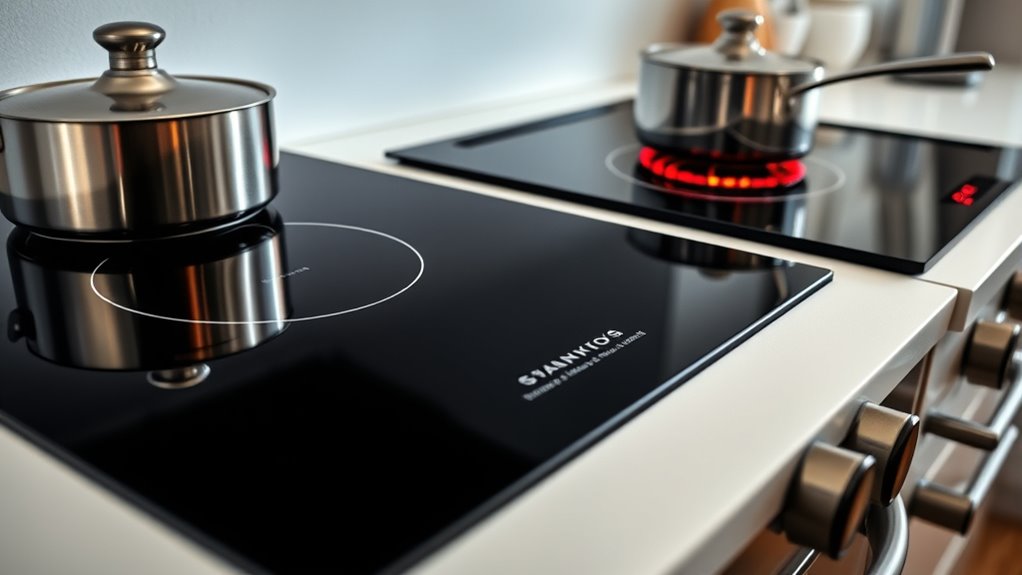
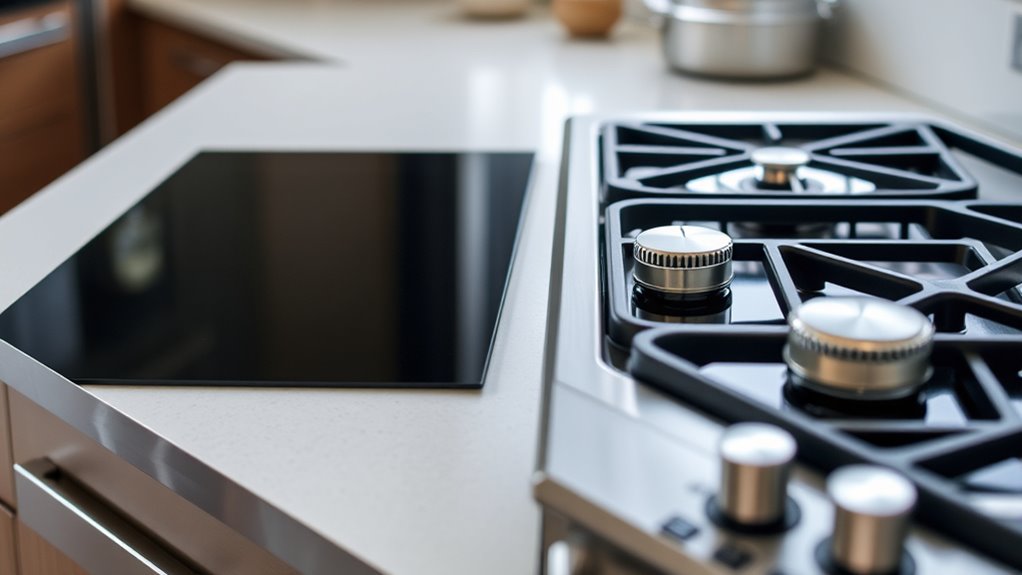
Induction and electric ranges both use electricity, but they heat cookware in different ways. An electric range sends current through a heating element, which becomes hot and transfers heat to your pan. You’ll usually see radiant elements beneath a glass surface or exposed coils.
These burners heat gradually, stay hot after you turn them off, and can make temperature changes less immediate.
An induction range uses electromagnetic energy to create heat directly in compatible cookware. The cooking surface itself remains relatively cool, while the pan heats quickly and responds almost instantly when you adjust the controls.
You’ll also get a smoother, easier-to-clean surface and potentially greater energy efficiency. However, induction models often cost more upfront and may produce a faint humming sound.
Your choice depends on cooking versatility, speed, control, cleanup preferences, and appliance compatibility. Electric ranges offer straightforward operation and broad familiarity, while induction ranges emphasize precision and efficiency.
Consider how you cook daily, whether you value rapid adjustments, and which features best fit your kitchen.
Will Your Cookware Work With Induction?
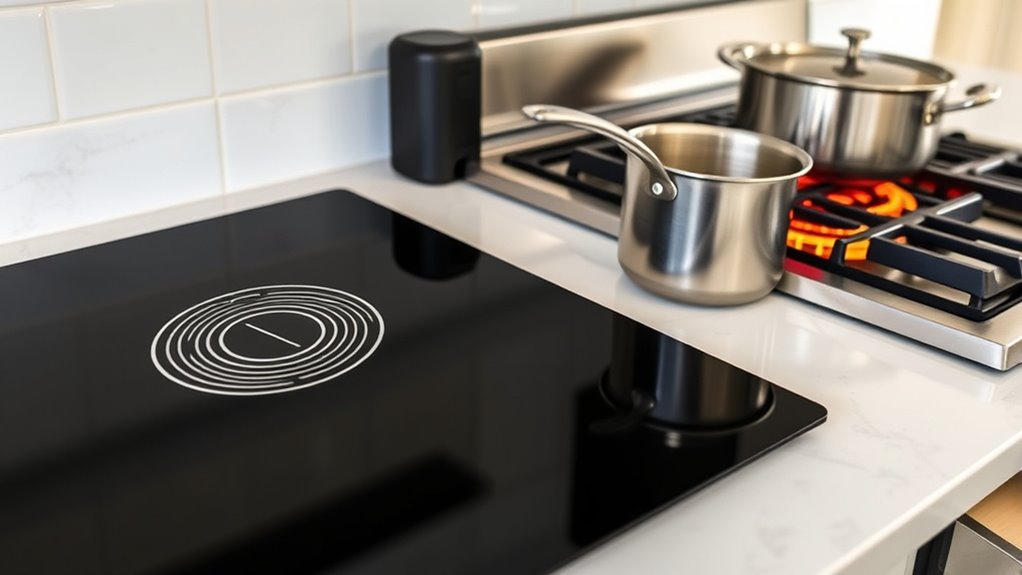
Before choosing an induction range, check whether your cookware contains magnetic material. Induction needs ferrous metal to create heat, so test each pan with a magnet. If it sticks firmly to the base, the cookware will usually work. Cast iron and magnetic stainless steel generally offer good cookware compatibility.
Copper, aluminum, glass, and ceramic pans typically won’t work unless they include a magnetic layer. Check the manufacturer’s label for an induction-ready symbol, too. Some pans may attract a magnet yet perform poorly if their base is warped, too small, or uneven.
Your cookware should sit flat and cover the burner’s marked area. Enamel-coated cast iron can work, but lift it instead of sliding it to help protect the glass surface. The magnetic field influence reaches only compatible cookware, not the surrounding surface.
If your favorite pan isn’t compatible, you can replace it or use an induction interface disk, though direct contact with a suitable pan remains the simplest option.
Which Range Cooks Faster and More Precisely?
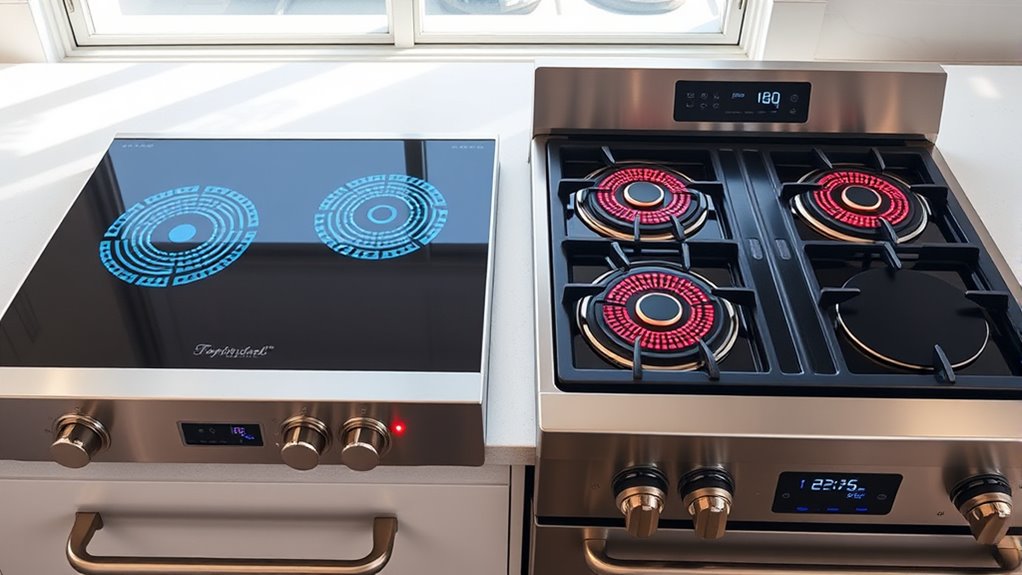
You’ll notice induction ranges respond faster, reaching your selected heat with hardly any delay. Plus, you can tweak the temperature more precisely. On the other hand, electric ranges tend to take a bit longer to catch up. This kind of control really helps you get more consistent cooking results.
Faster Heat Response
When you need rapid, precise temperature changes, induction typically outperforms a conventional electric range. It transfers energy directly into compatible cookware, so your pan heats almost immediately. When you lower the setting, the cooking vessel responds quickly instead of retaining substantial residual heat.
An electric range relies on a glowing element or radiant surface, which takes longer to heat and cool. You’ll notice this difference when boiling water, searing food, or moving quickly between cooking tasks.
However, cookware compatibility matters: you’ll need magnetic, flat-bottomed pans for induction to work. Electric ranges accept nearly any cookware, giving you greater flexibility.
Induction also offers useful safety features, including cooler surrounding surfaces and automatic shutoff when you remove the pan. Choose induction if speed and responsive cooking matter most; choose electric for broader pan compatibility.
Precise Temperature Control
Induction also gives you more precise temperature control because it adjusts heat directly in the cookware, making it easier to maintain a steady simmer or prevent delicate sauces from scorching. You’ll notice less guesswork when you lower the setting since the pan responds quickly instead of continuing to receive heat from a glowing element.
This responsiveness improves heating accuracy for tasks such as melting chocolate, reducing sauces, or tempering ingredients. Electric ranges can still deliver reliable results, but their radiant burners may retain heat after you change the control, causing temperatures to overshoot.
With induction, temperature stability helps you manage sensitive recipes and switch between low and high settings more confidently. You’ll also waste less time correcting overheated pans, making precise cooking easier during demanding preparations.
Consistent Cooking Performance
For consistent cooking performance, induction ranges generally cook faster and more precisely because they transfer energy directly to compatible cookware. You’ll notice water boils quickly, pans heat evenly, and temperature changes happen almost immediately when you adjust the controls. That responsiveness helps you simmer delicate sauces without scorching and sear foods with reliable heat.
Electric ranges can still deliver dependable results, but their radiant elements heat and cool more slowly. You may experience temperature swings, especially when you move between high and low settings. However, electric models offer broad cooking versatility because they work with nearly any flat-bottomed pan and often cost less upfront.
Induction ranges also provide sleek, aesthetic designs and easier cleanup, while electric ranges offer familiar operation. Choose induction if speed and precision matter most. Choose electric if affordability and cookware flexibility better match your needs.
Which Range Uses Less Energy?
If lower energy use is your priority, induction ranges generally outperform standard electric ranges. They transfer electromagnetic energy directly to compatible cookware, so less heat escapes into the kitchen or surrounding surface. This design improves energy efficiency and helps you reach cooking temperatures faster.
With a standard electric range, a heating element warms the cookware indirectly. Some energy dissipates while the element heats, and the surrounding surface remains hot after you lower or switch off the setting. That extra heat can increase power consumption over time, especially if you cook frequently.
Standard electric ranges lose some energy heating cookware indirectly, while residual surface heat can increase consumption over time.
You’ll typically use less electricity with induction for boiling, simmering, and everyday meal preparation, although your results depend on cookware, cooking habits, and local electricity rates. Induction models may also include responsive controls that let you reduce heat promptly, limiting wasted energy.
Check the range’s energy specifications and compare estimated annual electricity use before buying. If you already own efficient cookware and cook often, the long-term savings may help offset induction’s higher purchase price.
Which Range Is Safer to Use?
Energy savings matter, but safety can be just as important when you’re choosing a range. Both induction and electric models offer useful protections, but they manage heat differently. Your choice may depend on how you cook, your household, and the safety features you value most.
- Induction ranges: The cooktop stays relatively cool because electromagnetic energy heats compatible cookware directly. Many models shut off when you remove a pan, include child locks, and warn you about residual heat. You’ll reduce accidental burns, though the glass can still feel warm after cooking.
- Electric ranges: Their radiant elements remain hot after you turn them off, creating a greater burn risk. Indicator lights, automatic shutoff, and sturdy controls help, but you’ll need to monitor children and pets closely.
- Your user experience: Induction responds quickly and offers precise temperature control, while electric heat changes more gradually. If you want faster cooling and stronger built-in safeguards, induction generally provides the safer everyday experience. Always follow installation and cookware guidelines for either option.
Which Range Is Easier to Clean and Maintain?
When easy cleanup matters, induction ranges usually have the advantage because their smooth glass surfaces and cooler cooktops prevent most spills from baking onto the surface. You can wipe away splatters shortly after cooking with a soft cloth and suitable cooktop cleaner. Because the surface stays relatively cool around the pan, food typically doesn’t scorch onto it.
Electric ranges can also offer smooth glass tops, but their heating elements transfer more residual heat to the surrounding surface. You may need to wait longer before cleaning, and hardened spills can require a scraper or specialized cleaner. Coil-style electric ranges demand more effort because crumbs and grease can collect around the burners, drip pans, and edges.
For cleaning ease, induction generally wins. You’ll still need to clean both range types regularly and lift cookware carefully to avoid scratches. Maintenance simplicity also favors induction, though you should follow the manufacturer’s guidance and keep the glass free of abrasive cleaners.
Which Costs More: Induction or Electric?
You’ll usually pay more upfront for an induction range compared to a standard electric model. But here’s the thing—induction cooktops often use less energy over time, which can help reduce your utility bills. So, it’s a good idea to weigh both the initial purchase price and the long-term energy costs before making your decision.
Upfront Purchase Costs
Induction ranges typically cost more upfront than standard electric ranges because their advanced magnetic-cooking technology and specialized components raise the purchase price. When you make a price comparison, focus on equally sized models with comparable features, such as convection ovens, touch controls, and self-cleaning cycles. Your final price can also vary by retailer, finish, capacity, and installation requirements.
- Electric ranges: You’ll usually find the lowest entry prices, making them practical for a tight renovation budget.
- Induction ranges: You’ll pay more initially, especially for premium controls, larger cooking surfaces, or built-in designs.
- Brand options: You’ll see budget, midrange, and luxury choices in both categories, so compare warranties, included features, and retailer promotions.
Check whether the listed price includes delivery, removal of your old appliance, and required installation accessories. That broader comparison helps you choose confidently without judging value by the sticker price alone.
Long-Term Energy Expenses
Over time, induction usually costs less to operate than a standard electric range because it transfers more energy directly to the cookware, reducing heat loss. When you cook frequently, that energy efficiency can lower your monthly utility bills. Your exact savings depend on local electricity rates, cooking habits, and appliance settings.
A conventional electric range heats coils or a glass surface first, so more energy escapes into your kitchen. Induction heats compatible pans directly, often bringing water to a boil faster and shortening cooking times.
You’ll typically pay more upfront for induction, but reduced energy use may offset the difference over several years. Your environmental impact can also decrease because using less electricity reduces demand for power generation.
Compare appliance prices, warranties, and estimated annual consumption before deciding.
Frequently Asked Questions
Can Induction Ranges Operate During a Power Outage?
No, you can’t operate an induction range during a power outage because it needs electricity to create its magnetic heating field. You’ll need an emergency backup, such as a generator or battery power station, to run it safely.
Make sure your backup can handle the range’s high wattage and uses proper connections. Don’t plug the appliance into an undersized extension cord, and follow all generator safety instructions to prevent fires or carbon monoxide poisoning.
Do Induction Ranges Make Noise While Cooking?
Yes, your induction range can make noise while cooking, but it’s usually quiet. You may hear a soft hum, faint buzz, gentle clicking, or brief fan activity. These cooking sounds often change with your cookware, heat setting, and burner size.
Noise levels typically increase at higher power, especially during boost mode. If you hear loud rattling, scraping, or persistent unusual sounds, check that your pan sits flat or contact the manufacturer.
Are Induction Ranges Suitable for Canning and Oversized Cookware?
Yes, you can use an induction range for canning, but check your manufacturer’s guidance first. Canning limitations may include cookware-size restrictions, power limits, and sensors that cycle heat beneath large pressure canners or water-bath pots.
Oversized cookware compatibility varies because induction heats only magnetic material directly above the burner’s coil. Choose a flat-bottomed, induction-compatible canner that matches the recommended diameter, and monitor temperature closely for safe, consistent results during every batch you process.
How Long Do Induction and Electric Ranges Typically Last?
You can expect both induction and electric ranges to last about 10 to 15 years, though your maintenance habits matter. Induction models often reach the longer end because their cooktops stay cooler and resist spills, supporting excellent cooktop durability.
Electric ranges offer simpler, cheaper repairs and can also last 10 to 15 years. You’ll typically gain better energy efficiency with induction, potentially lowering operating costs.
Keep burners clean, avoid impacts, and service problems promptly.
Are Induction Ranges Difficult to Repair?
No, you won’t usually find induction ranges impossible to repair, but repairs can cost more than electric-range service. Their electronic controls, sensors, and power modules require specialized technicians, while you can often replace conventional electric elements more simply.
Strong cooking efficiency and advanced safety features come from that technology, yet complexity increases diagnostic time and parts costs. Before buying, you should confirm local service availability, warranty coverage, and replacement-part access to reduce inconvenience.
Conclusion
Choosing between an induction and electric range comes down to your priorities. Induction gives you faster, more precise cooking, greater energy efficiency, and easier cleanup, but you’ll need compatible cookware and a larger budget.
Electric ranges offer broad cookware compatibility and lower upfront costs, though they may heat and cool more slowly. So, which fits your kitchen best?
Choose induction for performance and safety, or electric for simplicity and value. Either way, you’ll cook confidently with the right induction range or electric range for your needs.