10 Best Tips for Furnace Maintenance You Need to Know
Keeping your furnace in top shape can feel overwhelming, especially when you’re not sure where to start. You’re not alone—many homeowners struggle to maintain their heating systems efficiently and avoid costly repairs.
Luckily, with a few simple steps, you can boost your furnace’s performance and save energy all winter long.
To keep your furnace running efficiently, check and replace filters every 1-3 months and clean vents and ducts for good airflow. Seal any air leaks to save energy, and lubricate motors regularly to prevent wear.
Calibrate your thermostat for accurate heating and troubleshoot common issues like strange noises or uneven warmth. Know when to call a pro or upgrade to a programmable thermostat.
If you want to get the most from your system, there’s plenty more helpful advice ahead.
Key Takeaways
- Replace furnace filters every 1-3 months to maintain efficiency and improve indoor air quality. This simple step keeps your system running smoothly and your home healthier.
- Regularly clean vents and ducts to ensure even airflow and prevent dust buildup. Keeping these clear helps your furnace work better and lasts longer.
- Seal duct leaks with HVAC-specific sealants to reduce energy loss and improve system performance. You’ll notice better heating and lower energy bills.
- Schedule seasonal maintenance checks, including safety controls and blower motor servicing, before peak usage. This keeps your furnace safe and reliable when you need it most.
- Calibrate your thermostat and consider upgrading to a programmable model for energy savings and comfort. A well-set thermostat makes a big difference in your home’s temperature and your wallet.
Check and Replace Your Furnace Filter
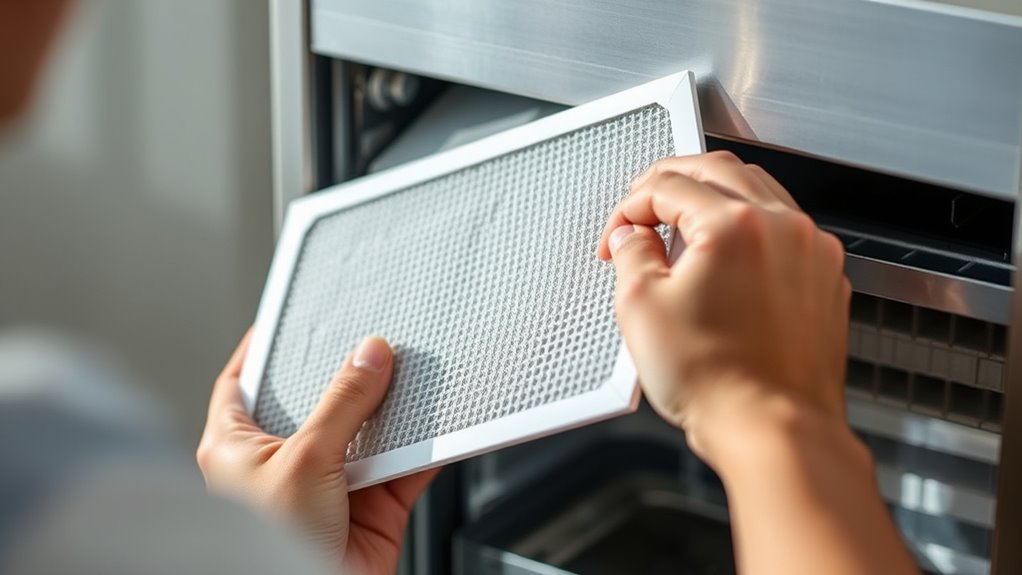
How often do you check your furnace filter? If you want your system running efficiently, you should inspect it monthly, especially during heavy use.
Check your furnace filter monthly to ensure efficient system performance, especially during peak usage times.
Air filter materials vary, from fiberglass to pleated fabric, each offering different levels of filtration. Knowing the type your furnace uses helps you determine the right filter replacement frequency.
Typically, changing filters every 1 to 3 months works well, but homes with pets or allergies might need more frequent replacements. Neglecting this simple step can reduce airflow, strain your furnace, and increase energy bills.
When replacing, make sure to choose the correct size and type to maintain peak performance. By staying on top of your filter maintenance, you’ll improve indoor air quality and extend your furnace’s lifespan.
Don’t wait until you notice problems. Regular checks and timely replacements keep your heating system running smoothly all season long.
Clean Furnace Vents and Air Ducts for Better Airflow
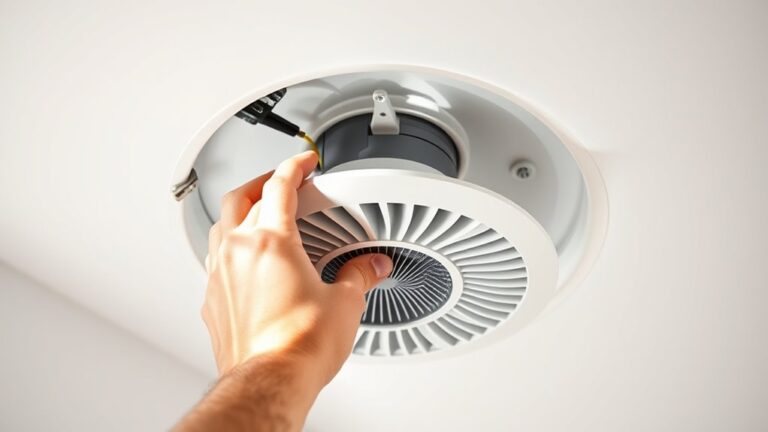
Since dust and debris can quickly accumulate in your furnace vents and air ducts, cleaning them regularly is essential to maintain proper airflow. Neglecting this step can lead to restricted airflow, forcing your furnace to work harder and reducing its efficiency. By cleaning your vents and ducts, you promote airflow optimization, which helps your system distribute warm air evenly throughout your home.
Start by removing vent covers and vacuuming inside the ducts as far as you can reach. You can also use a brush attachment to dislodge stubborn dust and debris. For deeper cleaning, consider hiring a professional duct cleaning service, especially if you notice mold or excessive buildup.
Proper ventilation improvements not only improve indoor air quality but also extend your furnace’s lifespan. Keeping your vents and ducts clean ensures your heating system runs smoothly, saves energy, and maintains a comfortable home environment all season long.
Seal Furnace Air Leaks to Improve Efficiency
You’ll want to start by identifying common areas where air leaks occur around your furnace. It’s a good idea to use high-quality sealants to close these gaps because that can really boost your system’s efficiency. Also, don’t forget to regularly inspect and maintain your ducts to keep everything airtight. Keeping an eye on things like this can make a big difference in how well your furnace works.
Identify Common Leak Areas
Although furnace systems are designed to contain warm air efficiently, leaks often occur in specific areas that reduce their effectiveness. You should focus on common leak points like duct joints, around the furnace cabinet, and near access panels.
Use leak detection methods such as a smoke pencil or a simple incense stick to spot escaping air. Pay special attention to areas where moisture control is essential, like near humidifiers or condensate lines, since leaks there can lead to water damage or mold growth.
Sealing these leaks not only improves energy efficiency but also safeguards your home’s air quality. Regularly checking these spots ensures your furnace runs smoothly, saving you money and preventing costly repairs down the line.
Use High-Quality Sealants
After identifying where your furnace leaks air, the next step is to choose the right sealants to fix those gaps effectively. Using high-quality sealants ensures a durable application that withstands temperature changes and prevents air loss.
Focus on products designed specifically for HVAC systems, as they provide reliable airtight sealing vital for maintaining furnace efficiency. Apply the sealant evenly along seams, joints, and any cracks you’ve found, making sure no gaps remain.
Proper sealant application not only improves your furnace’s performance but also lowers energy bills by reducing wasted heat. Don’t rush this step. Take your time to achieve a thorough, airtight seal that keeps your system running smoothly throughout the colder months.
Inspect and Maintain Ducts
When inspecting your furnace, pay close attention to the ducts, as even small leaks can considerably reduce heating efficiency. Start by checking for visible gaps or disconnected joints that let warm air escape.
Seal these leaks promptly using high-quality sealants to prevent energy loss. Regular air duct cleaning helps remove dust and debris, improving airflow and indoor air quality.
After cleaning, consider adding or upgrading duct insulation to keep heated air from cooling down before it reaches your rooms. Properly maintained ducts ensure your furnace works efficiently, reducing energy bills and prolonging its lifespan.
Lubricate Furnace Motors and Moving Parts
You’ll want to keep your furnace motors and moving parts well-lubricated to prevent wear and guarantee smooth operation. Using the right lubricants, like lightweight machine oil, can make a big difference in performance and longevity. So, let’s go over the best techniques to apply lubrication properly.
Importance of Proper Lubrication
Although it may seem like a small step, properly lubricating furnace motors and moving parts prevents friction that can cause wear and overheating. Ignoring lubrication can lead to increased furnace noise, signaling that parts are struggling. Regular lubrication ensures smoother operation and extends your furnace’s lifespan.
Here’s a quick guide on lubrication frequency and its effects:
| Lubrication Frequency | Effect on Furnace Performance |
|---|---|
| Monthly | Ideal operation, minimal noise |
| Quarterly | Slight increase in noise |
| Annually | Noticeable noise, potential wear |
| Never | Excessive noise, motor damage risk |
Stick to a regular lubrication schedule to keep your furnace running quietly and efficiently, avoiding costly repairs.
Recommended Lubricants and Techniques
Since proper lubrication is essential for your furnace’s smooth operation, choosing the right lubricants and applying them correctly makes all the difference. Use recommended lubricants like lightweight SAE 20 oil or non-detergent motor oil, as these reduce friction without damaging components. Avoid heavy oils or grease unless specified by your furnace’s manual.
When lubricating, focus on motors, blower shafts, and other moving parts. Apply a few drops directly to oil ports or bearings, ensuring you don’t over-lubricate, which can attract dust and cause buildup. Follow proper lubrication techniques by cleaning parts before applying oil, and use a clean cloth to wipe away excess.
Regularly lubricate during your scheduled maintenance to keep your furnace running efficiently and extend its lifespan.
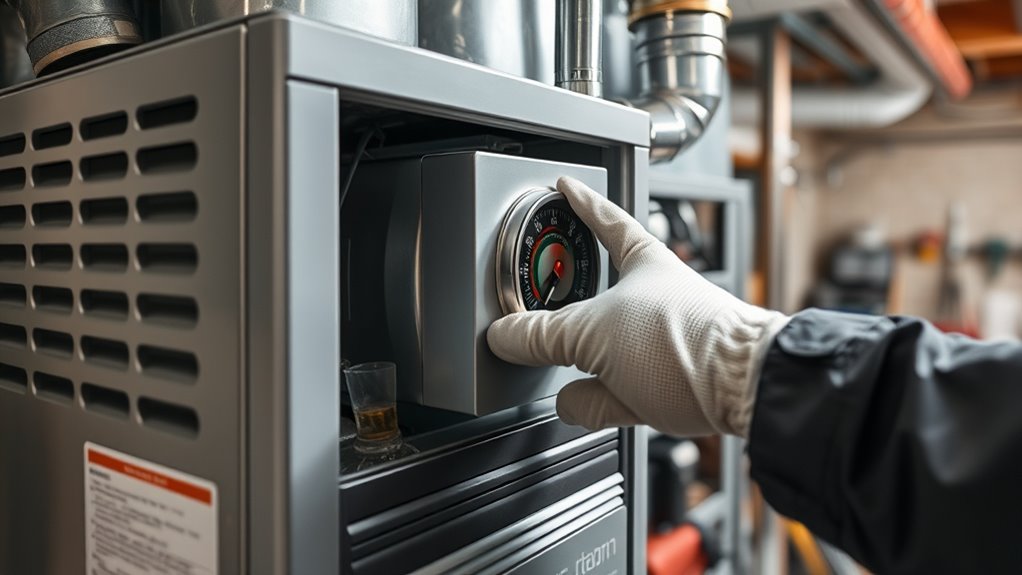
Calibrate Your Thermostat Regularly
When your thermostat isn’t calibrated correctly, your furnace may run longer than necessary or fail to maintain a consistent temperature. To avoid this, you need to perform thermostat calibration regularly.
This process ensures your thermostat reads the room temperature accurately, which directly impacts your furnace’s efficiency and comfort levels. Start by comparing the thermostat’s reading with an accurate room thermometer.
If you notice a difference of more than a degree or two, adjust the thermostat’s settings according to the manufacturer’s instructions. Some modern thermostats have built-in calibration features, making this easier.
Regular thermostat calibration helps prevent wasted energy and uneven heating, saving you money on utility bills. By keeping the temperature accuracy in check, you also extend the lifespan of your furnace, since it won’t be overworking itself.
Make it a habit to check and calibrate your thermostat every few months to keep your heating system running smoothly all season long.
Set a Seasonal Furnace Maintenance Schedule
To keep your furnace running efficiently throughout the year, you should set a seasonal maintenance schedule that fits your climate and usage patterns. Regular checkups help you spot issues early, apply energy-saving tips, and guarantee all safety precautions are met.
Scheduling maintenance before peak seasons reduces wear and extends your furnace’s life.
Here’s a simple seasonal schedule to follow:
| Season | Tasks | Focus Area |
|---|---|---|
| Fall | Inspect filters, clean ducts | Energy saving tips |
| Winter | Check safety controls, vents | Safety precautions |
| Spring | Service blower motor, clean components | Energy saving tips |
| Summer | Test thermostat calibration | Safety precautions |
Troubleshoot Common Furnace Problems
Although furnaces are built for reliability, you might encounter issues like uneven heating, strange noises, or unexpected shutdowns. Start by checking your thermostat settings and replacing dirty filters, which can affect indoor air quality and cause uneven heating.
Furnaces may face uneven heating or strange noises; begin by checking thermostat settings and replacing dirty filters.
If your furnace makes banging or rattling noises, it could mean loose components or a clogged blower motor. Tighten any loose parts and clean the blower to reduce noise and improve efficiency.
Frequent shutdowns might signal a dirty flame sensor or blocked vents. Cleaning these can restore proper function. Consider energy-efficient upgrades like a programmable thermostat or high-efficiency filters to prevent common problems and boost performance.
Regularly inspecting and troubleshooting these issues helps maintain comfort and prolongs your furnace’s life, while also supporting better indoor air quality. By addressing these common problems early, you can avoid costly repairs and keep your heating system running smoothly all season long.
How to Know When It’s Time to Call a Furnace Pro
If your furnace keeps acting up despite your best troubleshooting efforts, it’s a clear sign to call a professional. Ignoring persistent furnace noise or unusual smells could lead to bigger issues, including dangerous carbon monoxide leaks. A pro can quickly diagnose problems and guarantee your system runs safely and efficiently.
Here’s when you should call a furnace pro:
| Warning Sign | Reason to Call a Pro |
|---|---|
| Loud or unusual furnace noise | Could indicate motor or blower issues |
| Yellow or flickering pilot light | Possible carbon monoxide risk |
| Frequent cycling on and off | May signal thermostat or electrical faults |
Don’t wait until a small issue turns into an expensive repair or worse. When you notice these signs, calling a furnace pro ensures your home stays warm and safe all season long.
Upgrade to a Programmable Thermostat
When you upgrade to a programmable thermostat, you gain better control over your home’s temperature and energy use. This simple device allows you to set heating schedules that match your daily routine, so your furnace runs only when needed. By doing this, you cut down on wasted energy and lower your utility bills, one of the most effective energy-saving tips you can follow.
Many modern programmable thermostats also offer smart home integration, letting you control the temperature remotely via your smartphone or voice assistant. This convenience means you can adjust settings on the fly, ensuring your home stays comfortable without unnecessary heating. Plus, some models learn your preferences over time, optimizing efficiency without extra effort from you.
Upgrading to a programmable thermostat not only improves comfort but also supports a more sustainable, cost-effective heating system. Make this upgrade part of your furnace maintenance routine to maximize savings and comfort year-round.
Know When It’s Time to Replace Your Furnace
Even the best-maintained furnace won’t last forever, so recognizing the signs that it’s time to replace yours can save you from unexpected breakdowns and high repair costs. If your furnace is over 15 years old, frequently needs repairs, or struggles to heat your home evenly, it’s likely time for an upgrade.
Newer models offer energy efficient upgrades that can considerably reduce your utility bills while improving heating performance. Plus, replacing an aging furnace can improve your indoor air quality by reducing dust, allergens, and other pollutants circulating in your home.
Pay attention to unusual noises, rising energy costs, or inconsistent temperatures, as these are clear indicators your furnace isn’t functioning at its best. Investing in a modern system not only boosts comfort but also ensures better air circulation and cleaner air.
Don’t wait for a complete breakdown. Knowing when to replace your furnace helps you stay warm and save money in the long run.
Frequently Asked Questions
What Type of Fuel Is Best for My Furnace?
The best fuel for your furnace depends on your home’s setup and priorities. Natural gas is a popular option because it offers excellent energy efficiency and affordable costs.
Propane works well if natural gas isn’t available. Oil is an option in colder regions but tends to be less efficient.
You should also consider electric furnaces. They have no fuel combustion but might cost more.
Assess your budget and local fuel availability to choose wisely.
How Do I Improve Indoor Humidity in Winter?
To improve indoor humidity in winter, you can add indoor plants. They naturally release moisture and boost humidity levels. You might also use a humidifier to keep the air comfortable and prevent dryness.
Placing water basins near heat sources helps too, as evaporation adds moisture. Remember, maintaining balanced humidity levels not only feels better but also protects your skin and furniture during those chilly months.
Can I Install a Furnace Myself Safely?
Installing a furnace yourself isn’t as simple as building a LEGO castle. It demands serious DIY safety skills.
If you’re determined, follow installation guidelines meticulously to avoid hazards like gas leaks or electrical shocks. You’ll need proper permits and tools, so don’t cut corners.
If you’re unsure, it’s smarter to call a pro. Your safety and home’s integrity depend on it. Skipping steps can lead to costly mistakes or worse.
What Are the Health Risks of a Malfunctioning Furnace?
If your furnace malfunctions, it can seriously harm your air quality, exposing you to harmful pollutants like carbon monoxide and dust. You might notice respiratory issues such as coughing, wheezing, or shortness of breath, especially if you have asthma or allergies.
Poor ventilation can worsen these problems. To protect your health, you need to make certain your furnace is regularly inspected and maintained, preventing dangerous emissions and keeping your indoor air clean.
How Often Should I Schedule Professional Furnace Inspections?
You should schedule professional furnace inspections at least once a year, ideally before the heating season starts. Regular check-ups help maintain energy efficiency, preventing your system from working harder than necessary.
This not only keeps your home comfortable but also saves you money by reducing costly repairs and lowering energy bills. Staying on top of inspections guarantees your furnace runs smoothly, giving you peace of mind and long-term cost savings.
Conclusion
If you skip these furnace maintenance tips, you might as well be inviting arctic winds right into your living room! Keeping your furnace in top shape isn’t just smart; it’s absolutely essential to avoid turning your home into a frozen wasteland.
By checking filters, sealing leaks, and knowing when to call a pro, you’ll keep cozy warmth flowing all winter long. Don’t wait until your furnace throws a tantrum. Stay ahead and stay warm with these furnace maintenance tips you need to know!