7 Essential Tips to Maintain Home Appliances
Keeping your home appliances in top shape can sometimes feel like a never-ending challenge. You’re not alone—many people struggle with appliances breaking down sooner than expected or not running efficiently. That’s why knowing how to properly care for them is key to saving time, money, and frustration.
You can boost your home appliances’ lifespan by cleaning them regularly to prevent dirt build-up and replacing filters and seals on schedule for peak efficiency. Always follow the manufacturer’s guidelines and avoid overloading appliances to keep them safe and working well.
Check cords and connections often to prevent electrical hazards. Store appliances properly when not in use, and schedule professional maintenance to catch issues early. Keep these habits, and you’ll uncover even more ways to care for your appliances.
Key Takeaways
- Regularly clean appliances and replace filters to prevent dirt buildup and keep them running efficiently. This simple step can save you from bigger problems later.
- Follow manufacturer guidelines for safe use, load limits, and maintenance schedules. Sticking to these recommendations helps your appliances last longer.
- Inspect cords and connections frequently to avoid electrical hazards. Also, using surge protectors adds an extra layer of safety.
- Schedule professional maintenance to detect early issues and ensure your appliances operate safely and efficiently. It’s worth the investment.
- Store appliances properly to protect them from dust, moisture, and temperature changes when not in use. Proper storage helps maintain their condition.
Clean Appliances Regularly to Prevent Build-Up
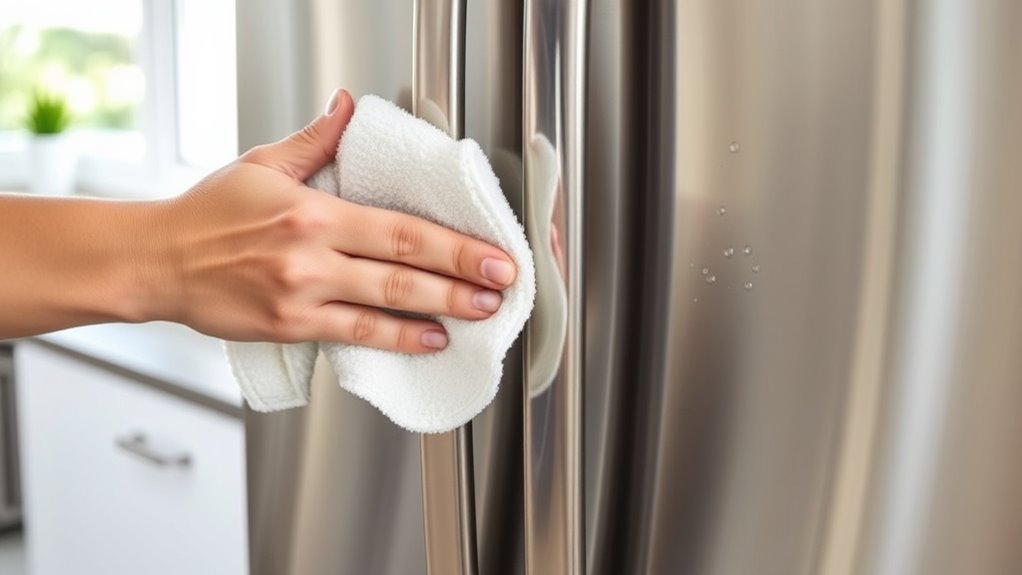
Although it may seem tedious, cleaning your appliances regularly prevents dirt and grime from building up and causing damage. You’ll find that consistent appliance cleaning not only keeps your devices looking fresh but also extends their lifespan.
Dirt prevention is essential because accumulated debris can clog vents, reduce efficiency, and lead to costly repairs. By wiping down surfaces, removing food residues, and vacuuming dust from vents, you maintain peak performance.
Don’t forget to clean less obvious spots like seals and buttons, where dirt tends to gather unnoticed. Setting a cleaning schedule makes appliance cleaning manageable, preventing buildup before it becomes a problem.
When you keep up with this simple routine, you avoid the hassle of deep cleaning sessions or premature replacements. Remember, a clean appliance works better, uses less energy, and saves you money in the long run.
Prioritize dirt prevention today to enjoy reliable appliances tomorrow.
Replace Filters and Seals on Schedule to Ensure Efficiency
Keeping your appliances clean helps maintain their performance, but replacing filters and seals on time takes that care a step further. Regular filter replacement ensures your appliances run efficiently and prevents dust or debris buildup that can cause damage. For example, changing your vacuum or air conditioner filters as recommended improves airflow and energy use. Don’t wait until you notice a problem. Stick to the schedule to avoid costly repairs.
Seal inspection is just as vital. Over time, seals on refrigerators, ovens, or washing machines can wear out, causing leaks or energy loss. Check seals for cracks or gaps monthly and replace them promptly if needed. Well-maintained seals keep your appliances airtight and working at their best, saving you money on energy bills.
Follow Manufacturer Guidelines for Safe Appliance Use
Be sure to read the user manuals carefully so you can get to know your appliance’s features and safety instructions. It’s a good idea to stick to the recommended maintenance schedules, too, to keep everything running smoothly. When you follow these guidelines, you help prevent accidents and make your appliance last longer.
Read User Manuals
How often do you actually consult the user manual when you get a new appliance? Many skip this step, but user manuals hold essential information to keep your appliance running smoothly.
They explain proper setup, maintenance schedules, and functions you might overlook. User manuals also include troubleshooting guides that help you quickly identify and fix common issues without calling for repairs.
By following these guides, you save time and extend your appliance’s lifespan. Plus, understanding manufacturer recommendations ensures you don’t accidentally void warranties or damage the appliance.
Adhere To Safety Instructions
Once you’ve familiarized yourself with the user manual, the next step is to stick to the safety instructions provided by the manufacturer. These guidelines are designed to protect you from appliance hazards and guarantee electrical safety.
Always use the appliance as directed, avoiding any modifications or shortcuts that could cause damage or increase risk. Never overload outlets or use damaged cords, as this can lead to electrical hazards.
If the manual warns against using certain cleaning products or methods, follow those warnings carefully to prevent harm to both you and the appliance. By adhering strictly to these instructions, you minimize risks and extend your appliance’s lifespan.
Follow Maintenance Schedules
Although it might seem tedious, following the maintenance schedules outlined by the manufacturer is essential for keeping your appliances running safely and efficiently. These schedules guide you through timely maintenance routines that prevent breakdowns and guarantee maximum performance.
By sticking to these guidelines, you protect your investment and extend appliance longevity. Ignoring recommended checkups or cleaning tasks can lead to costly repairs or even safety hazards.
Make it a habit to consult your appliance manuals and set reminders for routine care. This proactive approach not only saves you money but also helps maintain energy efficiency.
When you follow maintenance schedules closely, you avoid unexpected failures and keep your home running smoothly.
Keep Appliance Cords and Connections Safe and Sound
It’s a good idea to check your appliance cords regularly so you can spot any wear or damage early on. Also, try not to overload your outlets—doing so can cause them to overheat and even start a fire. And don’t forget to make sure all connections are nice and secure. That way, your appliances will run safely and efficiently without any hiccups.
Inspect Cords Regularly
How often do you check the cords on your home appliances? Regular inspection is key to cord safety and preventing potential hazards. Look for frayed wires, cracks, or exposed inner wiring that could lead to electrical shorts or shocks.
Make sure connections are tight and free from corrosion. During your electrical inspection, unplug appliances and examine both the plug and the cord length. Avoid using appliances with damaged cords until they’re repaired or replaced.
Keeping cords in good condition not only extends the life of your appliances but also protects your home from fire risks. Make it a habit to inspect cords every few months, especially for frequently used appliances, so you can catch issues early and maintain a safe environment.
Avoid Overloading Outlets
When multiple appliances draw power from a single outlet, it can easily become overloaded, increasing the risk of electrical fires and damage. To protect your home and appliances, avoid plugging too many devices into one outlet or power strip.
Overloading stresses circuits, causing breakers to trip or worse. For power surge prevention, use surge protectors designed for your appliances’ wattage. These devices help safeguard against voltage spikes that can harm sensitive electronics.
Follow outlet safety tips by distributing your appliances across different outlets and rooms whenever possible. Also, never bypass safety features like circuit breakers. By managing your outlet load carefully, you’ll keep cords and connections safe and sound, extending your appliances’ lifespan and maintaining a secure home environment.
Secure Connections Firmly
Although it’s easy to overlook, securing appliance cords and connections firmly is essential for safety and performance. You need to check that plugs fit snugly into outlets without any looseness, which can cause sparks or overheating.
Make sure cords aren’t twisted, pinched, or stretched, as this can damage their insulation and compromise electrical integrity. Use cable organizers or clips to keep cords neat and prevent accidental tugging.
If you notice frayed wires or loose connections, replace or repair them immediately to avoid hazards. By maintaining secure connections, you guarantee your appliances operate efficiently and reduce the risk of electrical failures.
Taking these simple steps helps protect both your appliances and your home from potential electrical issues.
Schedule Professional Appliance Maintenance Regularly
Because appliances endure daily wear and tear, scheduling professional maintenance guarantees they run efficiently and last longer. When you arrange regular check-ups with a certified technician, you catch minor issues before they become costly repairs.
Regular professional maintenance catches minor appliance issues early, ensuring efficiency and extending their lifespan.
This proactive approach not only improves performance but also helps you plan appliance upgrades thoughtfully, ensuring you replace units only when necessary.
Incorporating professional maintenance into your routine supports smart maintenance budgeting. Instead of dealing with unexpected breakdowns, you can allocate funds wisely for upkeep and eventual replacements.
Technicians also provide expert advice tailored to your appliances’ condition, helping you avoid unnecessary expenses. By committing to regular service visits, you protect your investment and enjoy peace of mind knowing your appliances operate safely and effectively.
Don’t wait for malfunctions. Make professional maintenance a priority and extend the lifespan of your essential home equipment.
Avoid Overloading Appliances to Extend Their Lifespan
If you regularly overload your appliances, you’ll put unnecessary strain on their components, which can lead to premature breakdowns. Every appliance has specific usage limits designed to guarantee ideal performance and longevity. Ignoring these limits by exceeding the recommended power load or capacity forces your appliance to work harder than it should. This extra effort wears down motors, heating elements, and other parts faster.
To avoid overloading, always check the manufacturer’s guidelines for maximum load and stick to them. For example, don’t cram your washing machine with more clothes than recommended or plug too many devices into a single outlet. Monitoring the power load prevents electrical issues and reduces the risk of overheating.
Store Appliances Properly When Not in Use to Prevent Damage
Keeping your appliances within their usage limits helps prevent wear and tear, but proper storage when they’re not in use also plays a big role in preserving their condition. When you store appliances properly, you shield them from dust, moisture, and temperature swings that can cause damage.
Seasonal protection is especially important for appliances used only during certain times of the year, like heaters or air conditioners.
To help you understand the emotional benefit of proper storage, here’s a quick guide:
| Emotion Felt | Benefit of Proper Storage |
|---|---|
| Relief | Knowing your investment lasts |
| Confidence | Ready-to-use appliances |
| Satisfaction | Avoiding costly repairs |
Frequently Asked Questions
How Can I Troubleshoot Common Appliance Errors at Home?
You can troubleshoot common appliance errors by first unplugging the device to guarantee appliance safety. Check for obvious issues like tripped breakers or loose connections. Use the manual’s troubleshooting guide for DIY repairs, but don’t force anything.
If you spot a minor problem like a clogged filter or a stuck button, fix it carefully. When in doubt, call a professional to avoid injury or further damage.
What Are the Signs That an Appliance Needs Replacement?
Did you know the average appliance lifespan is about 10-15 years? You’ll want to watch for replacement indicators like frequent breakdowns, rising energy bills, strange noises, or inconsistent performance.
If your appliance is past its expected lifespan and needs constant repairs, it’s time to contemplate replacing it. Ignoring these signs can cost you more in the long run, so stay alert to keep your home running smoothly.
Can Using Energy-Efficient Appliances Reduce My Electricity Bill?
Yes, using energy-efficient appliances can considerably reduce your electricity bill. These appliances use less power while delivering the same performance, leading to noticeable energy savings over time.
When you consider appliance upgrades, choosing models with high energy ratings not only cuts costs but also benefits the environment. Investing upfront in energy-efficient options means you’ll enjoy lower monthly bills and a more sustainable home in the long run.
How Do I Safely Dispose of Old or Broken Appliances?
You should never just toss old or broken appliances in the trash. Instead, take advantage of appliance recycling programs in your area. These programs help keep hazardous waste like batteries and refrigerants out of landfills.
Many communities have special collection events or designated drop-off centers for safe disposal. Check local guidelines to avoid fines and protect the environment.
Are There Warranty Tips to Maximize Appliance Coverage?
Yes, you can maximize your appliance coverage by thoroughly reading warranty policies before purchase. Understand coverage limitations, like what parts or damages aren’t included.
Register your appliance promptly to activate the warranty and keep all purchase receipts and documents in one place. Regularly maintain your appliance as required since neglect can void coverage.
If issues arise, contact the manufacturer quickly to avoid missing essential claim deadlines and guarantee smooth service.
Conclusion
If you don’t keep up with these tips, your appliances might stage a full rebellion. Clogged filters could scream for mercy, cords might twist into knots like wild snakes, and seals could give way like ancient ruins.
But by cleaning regularly, replacing parts on time, and treating them right, you’ll keep your appliances running smoother than a well-oiled machine. So, show them some love, or get ready for an appliance apocalypse in your own home.
Remember, maintaining home appliances is key to avoiding costly repairs and ensuring they last longer.