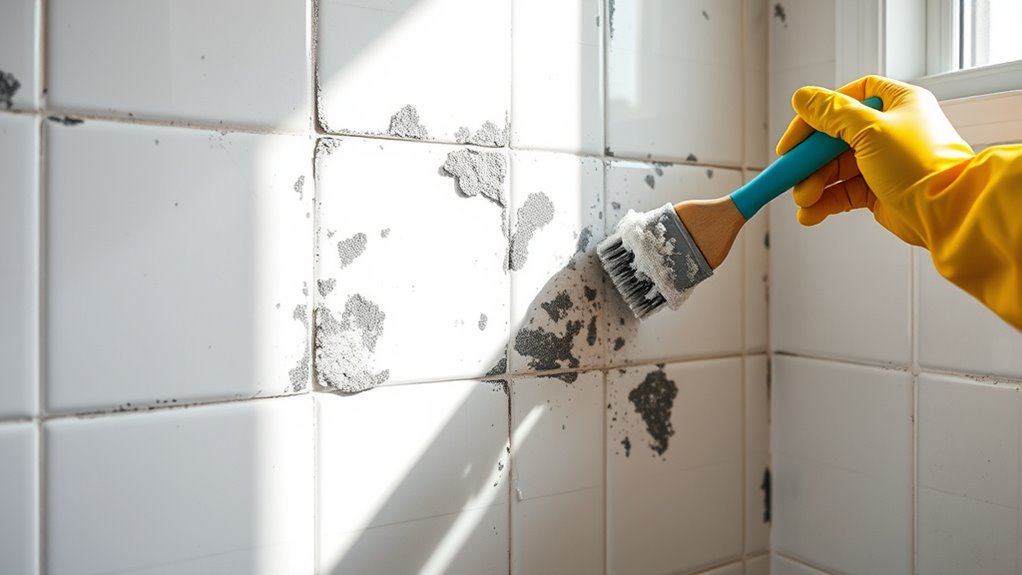
How Do You Get Rid of Bathroom Mold Effectively?
Dealing with bathroom mold can feel like a never-ending battle. If you’ve noticed those stubborn spots creeping back despite your best efforts, you’re not alone—many people struggle with this common problem. The good news is, there are effective ways to get rid of bathroom mold and keep your space fresh and healthy.
To get rid of bathroom mold effectively, you need to tackle both the mold and the moisture causing it. Start by wearing protective gear like masks and gloves, then clean with bleach or vinegar on tiles and grout.
Keep your bathroom dry by using exhaust fans and opening windows after showers. Regular cleaning and sealing grout help prevent mold from returning.
If mold keeps coming back, fixing leaks and improving ventilation is key. There’s more to learn about handling tough mold and keeping your bathroom fresh.
Key Takeaways
- Identify mold type and affected areas using visual cues and mold test kits for targeted removal.
- Wear protective gear like N95 masks, gloves, and goggles before cleaning moldy surfaces.
- Clean mold with bleach, hydrogen peroxide, or vinegar. Scrub grout and tiles thoroughly to get rid of it completely.
- Improve ventilation by installing exhaust fans, opening windows, and using dehumidifiers to reduce moisture.
- Call a professional if mold covers over 10 sq ft, recurs frequently, or hides behind walls.
Why Does Mold Keep Coming Back in Your Bathroom?
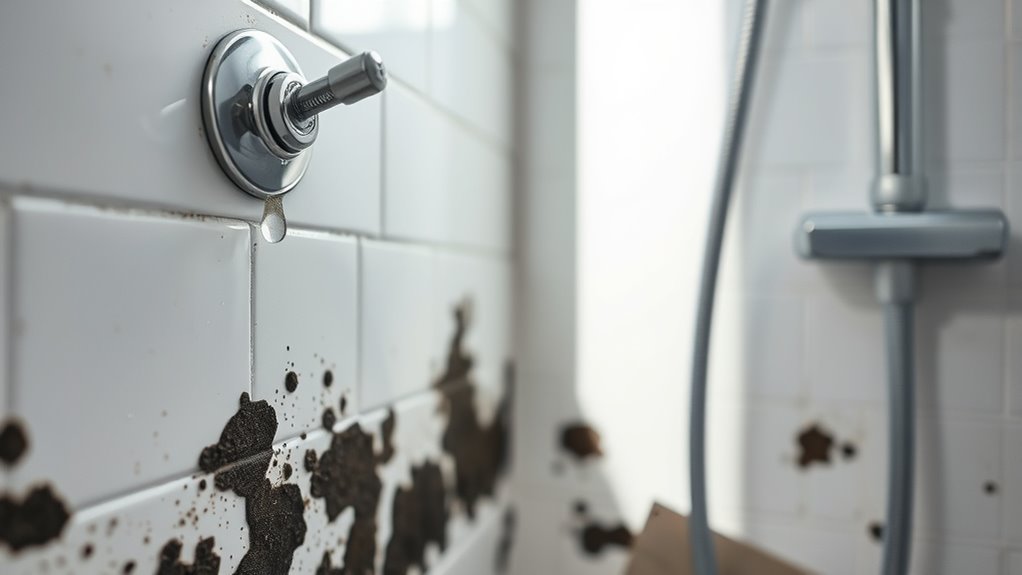
Although you may clean your bathroom regularly, mold often keeps coming back because the environment remains damp and poorly ventilated. Mold growth thrives in areas where bathroom moisture lingers, providing the perfect breeding ground for spores to multiply.
Even after scrubbing, if you don’t address the underlying moisture problem, mold will find its way back. Shower steam, leaks, and condensation all contribute to this persistent dampness.
Mold returns if moisture issues like steam, leaks, and condensation aren’t properly addressed.
You need to control bathroom moisture by improving ventilation. Use exhaust fans or open windows to reduce humidity. Fix any plumbing leaks promptly, and wipe down wet surfaces after showers.
Without these steps, you’re just removing mold temporarily, not preventing its return. Understanding that mold growth depends heavily on moisture means you can target the root cause.
Keep your bathroom dry, and you’ll break the cycle of recurring mold, making your cleaning efforts truly effective.
How to Identify Different Types of Bathroom Mold
Identifying different types of bathroom mold helps you choose the right removal method and prevent future growth. Mold growth varies in color, texture, and location, so using proper identification techniques is essential. You’ll want to observe the mold closely to determine its type, as some molds require more aggressive treatment than others.
To identify bathroom mold effectively, consider these techniques:
- Check the color: Black, green, white, or orange molds indicate different species.
- Observe texture: Mold can be fuzzy, slimy, or powdery.
- Note the location: Shower tiles, grout, or vents often harbor different mold types.
- Use a mold test kit: It helps identify mold species for targeted removal.
What Safety Gear You Need Before Cleaning Mold
Before you start cleaning mold in your bathroom, you need to gear up properly to protect yourself from harmful spores and chemicals. Using the right personal protective equipment (PPE) guarantees you avoid respiratory issues, skin irritation, and chemical exposure. Prioritize chemical safety by choosing gear that shields you from both mold and cleaning agents.
Here’s a quick guide to essential safety gear:
| Safety Gear | Purpose |
|---|---|
| N95 Respirator Mask | Filters mold spores from the air |
| Rubber Gloves | Protects hands from mold and chemicals |
| Safety Goggles | Shields eyes from splashes |
| Long-Sleeved Clothing | Prevents skin contact with mold |
| Ventilation Fan | Improves airflow, reduces inhalation risks |
Wear all these consistently while cleaning. Proper PPE combined with good chemical safety habits will keep you safe and help you tackle bathroom mold effectively.
Best Cleaning Products to Kill Bathroom Mold
When you’re ready to tackle bathroom mold, choosing the right cleaning products makes all the difference in eliminating it effectively. Mold spores can be stubborn, so using powerful, targeted products enhances your cleaning techniques and prevents regrowth. Here are some of the best options to consider:
- Bleach-based cleaners: Kill mold spores on non-porous surfaces quickly but use with caution and proper ventilation.
- Hydrogen peroxide: A natural alternative that disinfects and breaks down mold without harsh fumes.
- White vinegar: Effective for mild mold, it penetrates porous surfaces, disrupting mold growth.
- Commercial mold removers: Formulated specifically to target mold spores and often contain anti-fungal agents.
Whichever product you pick, follow instructions closely to ensure safety and effectiveness. Combining these cleaning products with the right techniques will help you get rid of bathroom mold thoroughly.
How to Remove Mold From Tiles, Grout, and Shower Curtains
Although mold can stubbornly cling to bathroom tiles, grout, and shower curtains, you can remove it effectively with the right approach. Start by scrubbing tiles and grout with a mixture of bleach and water or a commercial mold remover.
For shower curtains, machine wash with detergent and add a cup of vinegar to kill mold. After cleaning, consider applying mold resistant paint on grout lines to prevent regrowth. Keeping a consistent bathroom cleaning schedule also helps control mold buildup.
| Surface | Cleaning Method | Prevention Tip |
|---|---|---|
| Tiles | Scrub with bleach solution | Use mold resistant paint |
| Grout | Brush with grout cleaner | Seal grout after cleaning |
| Shower Curtains | Machine wash with vinegar | Replace if mold persists |
| Regular Cleaning | Follow a bathroom cleaning schedule | Keep bathroom well-ventilated |
| Dry Surfaces | Wipe after each use | Use a squeegee or towel |
Stick to these steps and your bathroom will stay mold-free longer.
Natural Remedies to Get Rid of Bathroom Mold
If you prefer avoiding harsh chemicals while tackling bathroom mold, natural remedies offer effective alternatives. These eco friendly solutions not only protect your health but also reduce environmental impact. By using simple DIY techniques, you can remove mold efficiently without toxic ingredients.
Try these natural options:
- White vinegar: Spray undiluted vinegar on moldy areas, let it sit for an hour, then scrub clean.
- Baking soda paste: Mix baking soda with water to form a paste; apply it to mold, scrub, and rinse.
- Tea tree oil spray: Combine a teaspoon of tea tree oil with water in a spray bottle; spray affected spots and leave to dry.
- Hydrogen peroxide: Use 3% hydrogen peroxide in a spray bottle, apply to mold, wait 10 minutes, then wipe off.
These methods harness natural antifungal properties while being safe and budget-friendly for your bathroom mold removal.
Best Ways to Dry Your Bathroom to Prevent Mold
To keep mold at bay, you’ve got to dry your bathroom effectively. One great way to do this is by improving your ventilation systems—they help reduce moisture quickly. Plus, using absorbent materials can really make a difference by soaking up leftover water and speeding up the drying process.
Improve Ventilation Systems
Since moisture fuels mold growth, improving your bathroom’s ventilation system is essential for keeping the space dry and mold-free. You can’t rely on humidity to just disappear. You need to actively boost airflow and reduce dampness. Focus on airflow optimization by making sure your exhaust fan is powerful enough and functioning well.
Consider ventilation upgrades if your current setup isn’t *guaranteeing* it.
Here’s how to improve ventilation effectively:
- Install or upgrade an exhaust fan with a timer or humidity sensor
- Keep the bathroom door or a window open during and after showers
- Clean and maintain vents regularly to ensure proper airflow
- Use a dehumidifier in bathrooms without windows or poor ventilation
These steps help you control moisture and prevent mold before it starts.
Use Absorbent Materials
Although improving ventilation helps reduce moisture, you still need absorbent materials to quickly soak up water and keep surfaces dry. Using absorbent cloths is essential after every shower or bath. These cloths grab excess water from sinks, countertops, and floors, preventing damp spots that encourage mold growth.
Sponge cleaning works wonders for hard-to-reach corners and textured surfaces where water tends to linger. Make it a habit to regularly wring out the sponge and replace it when it becomes worn or smelly. By combining these absorbent materials with good ventilation, you’ll effectively reduce moisture buildup in your bathroom.
This proactive approach stops mold before it starts, keeping your space fresh and mold-free.
How to Improve Bathroom Ventilation to Prevent Mold
To keep mold at bay, it’s important to improve your bathroom’s ventilation. One great way to do this is by installing exhaust fans that quickly whisk away moisture.
You can also naturally boost airflow by opening windows or doors whenever you can.
Doing these simple things will help keep your bathroom dry and mold-free.
Install Exhaust Fans
When you install an exhaust fan in your bathroom, you actively reduce moisture buildup that encourages mold growth. This simple upgrade improves air quality and boosts moisture control, making your bathroom less hospitable to mold spores.
To get the best from your exhaust fan, choose a fan with the right airflow capacity (measured in CFM) for your bathroom size. Position the fan near the shower or tub where moisture is highest.
Run the fan during and at least 20 minutes after bathing to effectively remove humidity. Also, clean the fan regularly to maintain peak performance and prevent dust buildup.
Use Natural Ventilation
Since bathrooms naturally trap moisture, you can improve ventilation by opening windows or doors to let fresh air circulate. This improves air circulation, reducing humidity and preventing mold growth.
Natural ventilation brings fresh airflow that helps dry wet surfaces quickly, minimizing dampness. You don’t always need mechanical systems; simple habits can make a big difference in keeping your bathroom mold-free.
| Action | Benefit | Tip |
|---|---|---|
| Open windows | Boosts air circulation | Open during and after showers |
| Leave door ajar | Promotes airflow | Helps moisture escape |
| Use cross-ventilation | Improves fresh airflow | Open windows/doors opposite each other |
| Add plants | Absorbs moisture | Choose moisture-loving types |
Use natural ventilation daily to keep your bathroom dry and mold at bay.
How Often to Clean to Keep Mold Away for Good
Although mold can appear quickly in damp bathroom environments, you can prevent it by cleaning regularly. Mold prevention depends a lot on your cleaning frequency. To keep mold away for good, you need a consistent routine that tackles moisture and dirt before mold spores settle in.
Here’s how often you should clean for effective mold prevention:
Weekly: Wipe down shower walls, tiles, and sink areas to remove soap scum and moisture.
Biweekly: Scrub grout lines and corners where mold tends to hide.
Monthly: Clean shower curtains, bath mats, and any fabric that collects moisture.
Seasonally: Inspect and deep clean vents, fans, and behind fixtures to prevent hidden buildup.
How to Handle Persistent Mold Problems and When to Call a Pro
If you’ve tried regular cleaning but mold keeps coming back, it’s time to take stronger action. Persistent mold growth usually means moisture control isn’t sufficient or hidden leaks exist. First, identify and fix any plumbing issues or ventilation problems. Use a dehumidifier if needed to reduce humidity levels.
Sometimes mold hides behind walls or under tiles, requiring professional inspection. If mold covers more than 10 square feet or returns quickly despite your efforts, call a mold remediation pro. They use specialized tools and treatments to remove mold safely and prevent recurrence.
| Situation | Action to Take | When to Call a Pro |
|---|---|---|
| Small surface mold | Clean with mold remover | Not necessary |
| Mold returns after cleaning | Improve ventilation, fix leaks | Consider professional help |
| Extensive mold or hidden growth | Professional inspection & removal | Immediately |
Frequently Asked Questions
Can Bathroom Mold Cause Allergies or Respiratory Issues?
Yes, bathroom mold can cause allergy symptoms and impact your respiratory health. When you’re exposed to mold spores, you might experience sneezing, coughing, or itchy eyes.
If you have asthma or other respiratory conditions, mold can worsen your symptoms and make breathing difficult. It’s important to keep your bathroom dry and clean to protect your respiratory health and reduce allergy symptoms caused by mold growth.
Does Painting Over Mold Prevent It From Returning?
No, painting over mold doesn’t prevent it from returning. You need proper mold removal first, or the mold will keep growing beneath the paint.
Paint containment can temporarily hide the problem, but it won’t solve it. To stop mold for good, you must clean and treat the affected area thoroughly before repainting with mold-resistant paint.
Otherwise, you’re just covering up the issue, not eliminating it.
How Long Does It Take for Mold to Grow After Cleaning?
Think of mold growth like weeds popping up after you garden. If you don’t stay on top of it, they quickly return. Mold can start regrowing within 24 to 48 hours after cleaning, especially in damp bathrooms.
That’s why maintaining a regular cleaning frequency is essential. Don’t wait too long between cleanings. By staying consistent, you stop mold in its tracks and keep your bathroom fresh and safe.
Can Household Humidity Monitors Help Control Bathroom Mold?
Yes, household humidity monitors can help you control bathroom mold by keeping humidity levels in check. When you regularly check these levels, you’ll catch high moisture early, which is vital for mold prevention.
Are There Specific Types of Bathroom Materials That Resist Mold Better?
Think of mold-resistant tiles as your bathroom’s armor against damp invaders. You’ll find these specially designed tiles repel moisture and prevent mold growth better than regular materials.
Pair them with ventilation improvements like exhaust fans or windows to keep air flowing and reduce humidity. Together, they create a powerful defense, making your bathroom less inviting to mold and easier to keep fresh and clean over time.
Conclusion
Getting rid of bathroom mold isn’t just a chore; it’s a battle against a tiny, relentless enemy! But with the right safety gear, effective cleaning products, and consistent drying and ventilation, you can win this war for good.
Keep up with regular cleaning, and you’ll stop mold from making your bathroom its personal jungle. If stubborn mold keeps coming back, don’t hesitate to call a pro before it takes over your entire home!
By staying on top of these steps, you can effectively get rid of bathroom mold and keep your space fresh and safe.