A Step-by-Step Guide to Landscape Your Yard
If you’ve ever felt overwhelmed trying to landscape your yard, you’re definitely not alone. Many people struggle with figuring out where to start and how to create a beautiful, functional outdoor space that lasts. The good news is, with the right guidance and tools, you can transform your yard without the guesswork.
Start by planning your yard layout to create functional spaces and manage pests effectively. Test and prepare your soil, then select native plants and suitable ground covers like mulch or creeping thyme.
Choose durable hardscaping materials and install features such as patios and pathways carefully.
Set up an efficient irrigation system tailored to your plants, and maintain your landscape with seasonal care to keep it thriving. Keep going to uncover tips that will help you avoid common landscaping mistakes.
Key Takeaways
- Plan your yard layout, including furniture placement and pest control before starting to This helps you create functional and pest-free spaces.
- Test your soil and select native, climate-suitable plants. Also, choose the right ground cover like mulch or creeping thyme to support healthier growth.
- Choose durable, weather-resistant hardscaping materials. When installing pathways and patios, make sure to prepare the site properly and use edging.
- Implement efficient irrigation systems with zones, drip lines, and timers. This helps conserve water and keeps your plants healthy.
- Perform seasonal maintenance like pruning, pest control, and leaf removal. Avoid common mistakes such as overwatering and poor plant spacing.
Plan Your Yard Layout Before Landscaping
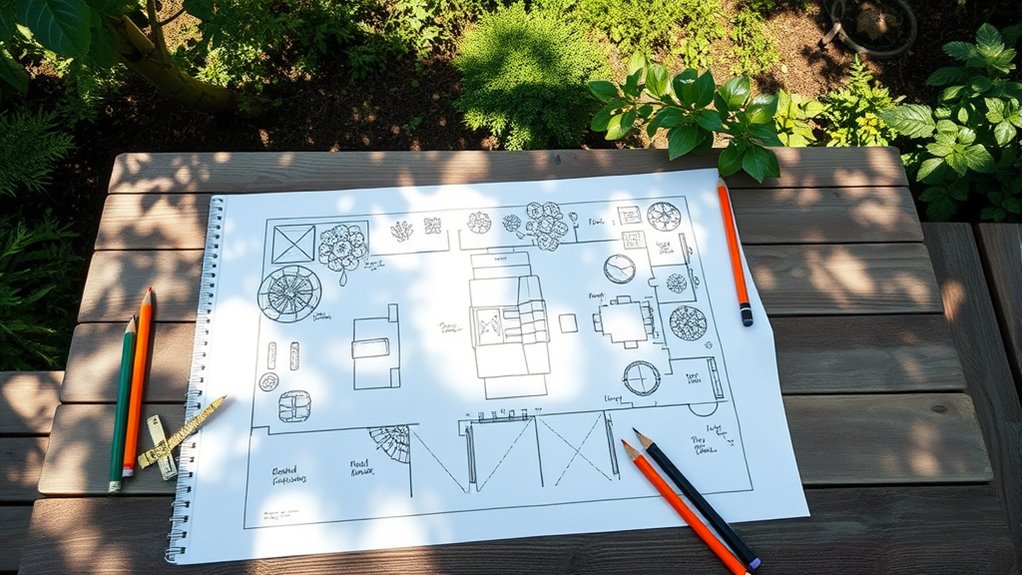
Where should you begin when transforming your yard? Start by planning your yard layout carefully. This step helps you visualize where garden furniture will go, ensuring you create comfortable, functional spaces.
Begin your yard transformation by carefully planning the layout to create comfortable and functional outdoor spaces.
Sketch out pathways, seating areas, and open spots before planting anything. This way, you avoid clutter and make the most of your space.
Also, consider pest control early on. Think about how water flows and where pests might gather. Position garden furniture away from areas prone to pests, like standing water or dense shrubbery.
Planning ahead lets you incorporate natural barriers or pest-repelling plants where needed. Taking the time to design a smart layout saves you headaches later and keeps your yard enjoyable.
Choose Plants for Landscaping Your Yard’s Climate and Soil
After planning your yard layout and considering factors like pest control, it’s time to select plants that will thrive in your specific climate and soil conditions. Start by researching native species, as they’re naturally adapted to your area’s weather and require less maintenance. Choosing native plants boosts your garden’s resilience and supports local wildlife.
Next, assess your soil’s compatibility with potential plants. Conduct a simple soil test to determine pH, texture, and nutrient levels. This helps you pick plants suited to your soil type, preventing future growth issues. Avoid forcing non-compatible plants, which often struggle or need extra care.
Combining native species with soil-compatible plants ensures a sustainable, healthy yard. Remember, taking time here will save you effort and resources later, creating a landscape that looks great year-round without constant intervention.
Select Landscaping Features Like Paths, Patios, and Lighting
When you’re picking landscaping features, it’s a good idea to think about the materials for your paths and patios. Choose ones that match your yard’s style and hold up well over time. You’ll also want to check out different outdoor lighting options—they not only boost safety but also help highlight your garden’s best spots. These choices really shape how you enjoy your yard, both during the day and at night.
Choosing Path Materials
How do you choose the right materials for your garden paths? Start by considering path selection carefully. Think about the style of your yard and how you’ll use the paths.
Material durability is key. You want something that can withstand foot traffic, weather, and time. Gravel offers a natural look and good drainage but may shift over time.
Concrete is durable and low-maintenance, perfect for heavy use. Brick or stone adds charm and texture but requires more upkeep.
You’ll also want to think about safety. Choose materials that won’t become slippery when wet. By balancing aesthetics, function, and durability, you’ll pick materials that suit your yard’s needs and look great for years to come.
Outdoor Lighting Options
Selecting the right outdoor lighting can improve the paths and patios you’ve carefully designed, making your yard both beautiful and functional after dark. You can highlight garden art with soft spotlights, creating focal points that draw attention without overwhelming the space.
Pathway lights guide your steps safely while adding a warm glow that complements your landscaping. Consider solar-powered or LED options to save energy and reduce maintenance.
When choosing fixtures, think about preserving your wildlife habitat. Avoid harsh, bright lights that can disrupt nocturnal animals. Instead, opt for low-intensity, downward-facing lights that minimize light pollution.
With thoughtful outdoor lighting, you’ll amplify safety, showcase your yard’s features, and support the local ecosystem all at once.
Prepare the Soil and Clear the Area Properly
Before you start planting, it’s a good idea to test your soil. This way, you can get a feel for its condition and figure out what nutrients it might need. Also, make sure to clear away any debris completely. Giving your new landscape a clean slate like this really helps it thrive. By taking these steps, you’re setting your yard up for a healthy and beautiful transformation.
Soil Testing Techniques
Although soil testing might seem like a small step, it plays a crucial role in preparing your yard for landscaping. Understanding your soil’s health ensures your plants thrive. You’ll want to investigate various testing methods to identify nutrient levels, pH balance, and contaminants.
Here’s a quick look at common soil testing techniques you can use:
| Testing Method | What It Reveals |
|---|---|
| Soil pH Test | Acidity or alkalinity |
| Nutrient Analysis | Levels of N, P, K, and more |
| Soil Texture Test | Sand, silt, clay content |
| Moisture Test | Water retention capacity |
| Contaminant Check | Presence of toxins |
Clearing Debris Efficiently
How do you tackle the mess left in your yard after soil testing? Start by gathering all debris like rocks, roots, and old plant material. Efficient debris removal not only clears the space but also prevents interference with your new landscaping.
Use a rake or blower to collect smaller particles, then bag or pile them for easy waste disposal. For larger waste, consider renting a dumpster or arranging a bulk pickup. Don’t forget to remove any remaining weeds or invasive plants to prepare the soil properly.
This thorough clearing sets the stage for healthy soil amendments and planting. By staying organized during debris removal and waste disposal, you’ll create a clean, ready-to-use yard that supports your landscaping goals from the ground up.
Install Hardscaping Elements for Your Landscape Step by Step
When you decide to install hardscaping elements, you’ll transform your yard with structure and style that complement your plants. Start by planning where features like patios, pathways, or retaining walls will go.
Installing hardscape features brings structure and style that beautifully enhance your garden’s natural elements.
Your hardscape installation depends heavily on thoughtful material selection. Choose durable options like natural stone, brick, or concrete that suit your climate and aesthetic.
Next, prepare the site by clearing debris and leveling the ground for a stable base. Lay down a weed barrier to keep plants from disrupting your hardscape.
Then, install edging to define spaces and contain materials. Carefully place your chosen materials, ensuring they fit tightly and sit evenly.
Use sand or gravel as a base and fill in gaps to secure everything firmly. Finally, compact the area to prevent shifting.
Plant Trees, Shrubs, and Flowers for Your Yard’s Landscape
Why not bring your yard to life by planting trees, shrubs, and flowers that suit your space and style? Start by choosing plants that thrive in your climate and soil conditions. Position trees where they provide shade without blocking sunlight for your flower arrangements.
As your trees grow, practice regular tree pruning to maintain shape, encourage healthy growth, and prevent overcrowding. Shrubs add structure and can serve as natural borders or focal points.
When planting flowers, think about color, blooming seasons, and height to create balanced, eye-catching arrangements. Grouping flowers with similar water and sunlight needs makes care easier. Don’t forget to leave enough space between plants for airflow and growth.
Add Mulch and Ground Cover to Boost Plant Health
You’ll want to add mulch and ground cover to improve your plants’ health by retaining moisture and reducing weeds. It really makes a difference when you choose the right type of ground cover and apply mulch properly. So, let’s take a look at the benefits and how to do it right.
Benefits of Mulch
Although many gardeners overlook it, adding mulch and ground cover can dramatically boost your plants’ health. Mulch installation not only improves garden aesthetics by giving your yard a neat, polished look but also protects soil moisture, reducing the need for frequent watering.
It suppresses weed growth, so your plants won’t have to compete for nutrients. Mulch also regulates soil temperature, keeping roots cooler in summer and warmer in winter. Plus, as mulch breaks down, it adds essential organic matter to the soil, enhancing fertility and structure.
Types of Ground Cover
When selecting ground cover, consider plants and materials that thrive in your yard’s conditions while enhancing soil health. Ground cover options range from organic mulch to low-growing plants that prevent erosion and suppress weeds.
Choosing the right types of foliage not only adds texture and color but also supports moisture retention and soil fertility. Here’s a quick guide to popular ground cover types:
| Ground Cover Type | Best For | Benefits |
|---|---|---|
| Mulch | All yards | Retains moisture, weeds |
| Creeping Thyme | Sunny, dry spots | Fragrant, drought tolerant |
| Pachysandra | Shady areas | Dense, evergreen |
| Clover | Sunny to partial | Nitrogen-fixing, soft |
Select ground cover options that complement your landscape while boosting plant health effectively.
Proper Application Techniques
Since proper application techniques directly impact the effectiveness of mulch and ground cover, you should apply them carefully to boost plant health. Using the right landscape techniques guarantees soil moisture retention, weed suppression, and temperature regulation.
When applying mulch or ground cover, focus on these key steps for proper application:
- Lay mulch in a 2 to 3-inch layer, avoiding piling it against plant stems to prevent rot.
- Choose ground covers suited to your soil and sun exposure to ensure healthy growth.
- Water thoroughly after application to help mulch settle and ground cover establish roots.
Set Up an Efficient Irrigation System for Your Yard
Because maintaining a healthy yard requires consistent watering, setting up an efficient irrigation system will save you time and water. Start by choosing the right system for your yard’s layout.
Drip irrigation works great for garden beds and shrubs, delivering water directly to the roots while minimizing waste. For larger grassy areas, sprinklers provide broader coverage but need regular sprinkler maintenance to ensure even water distribution and prevent leaks.
Plan your irrigation zones based on plant types and sunlight exposure, so each area gets the water it needs without overwatering. Installing a timer or smart controller can automate watering schedules, adjusting for weather changes to conserve water.
Regularly check your system for clogged emitters or broken sprinkler heads, and clean or replace parts as needed. With a well-designed irrigation setup, you’ll keep your yard lush and healthy while reducing water bills and effort.
Maintain Your Landscape With Seasonal Care Tips
An efficient irrigation system keeps your yard hydrated, but ongoing care throughout the year helps your landscape thrive. To maintain a healthy yard, focus on seasonal pruning to encourage growth and remove dead or diseased branches.
Regular pest management protects your plants from harmful insects and diseases that could damage your landscape. Adjust your care routine based on the season to maximize effectiveness.
Here are key seasonal care tips to keep in mind:
- Spring: Prune shrubs and trees to shape and prepare for new growth; apply pest control treatments early.
- Summer: Monitor for pests regularly and water deeply during dry spells to prevent stress.
- Fall: Remove fallen leaves, prune perennials, and prepare plants for winter dormancy.
Following these simple steps will keep your yard looking vibrant year-round while preventing common issues. Stay consistent, and your landscape will reward you with lasting beauty.
Watch Out for Common Landscaping Mistakes
While designing and maintaining your yard, you might unintentionally make common landscaping mistakes that can hinder your landscape’s health and appearance. One frequent error is overwatering plants, which can lead to root rot and attract pests. To prevent this, establish a watering schedule that suits your local climate and plant types.
Another mistake is neglecting garden maintenance, such as failing to prune dead branches or remove weeds, which can suffocate plants and create breeding grounds for pests. Speaking of pests, skipping proper pest control measures can result in damage that’s hard to reverse. Use natural or chemical treatments carefully to protect your plants without harming beneficial insects.
Also, avoid overcrowding plants; giving them enough space ensures better air circulation and reduces disease risk. By steering clear of these pitfalls, you’ll create a healthier, more vibrant yard that thrives season after season.
Frequently Asked Questions
How Do I Attract Wildlife to My Landscaped Yard?
To attract wildlife, you’ll want to create diverse wildlife habitats by incorporating native plant selection in your yard. Native plants provide food and shelter for local animals, making your space inviting.
Add layers like shrubs, trees, and ground cover to offer different habitats. Include water sources and avoid pesticides to keep the environment safe.
What Are Eco-Friendly Alternatives to Traditional Pesticides?
Think of natural pest control as your garden’s own superhero, fighting off pests without toxic weapons. You can use neem oil, insecticidal soaps, or introduce beneficial insects like ladybugs to keep harmful bugs at bay.
Embracing organic gardening means enriching your soil with compost and avoiding chemical pesticides. This helps maintain a healthy ecosystem. By choosing these eco-friendly alternatives, you’ll protect your plants and invite nature to thrive in harmony.
Can I Landscape My Yard on a Budget?
Yes, you can definitely landscape your yard on a budget. Start with careful budget planning to prioritize your needs and avoid overspending.
Choose cost-effective plant selection by picking native or drought-tolerant species that require less maintenance and water. Use recycled materials for paths and borders, and consider DIY projects to save labor costs.
With smart choices and planning, you’ll create a beautiful yard without breaking the bank.
How Do I Incorporate Edible Plants Into My Landscape Design?
You can easily incorporate edible plants by using companion planting to pair veggies and herbs that benefit each other, like tomatoes with basil.
Plan for seasonal planting to guarantee your garden stays productive year-round by rotating crops and adding cool- or warm-weather plants as needed.
Mix edible flowers, fruits, and herbs with ornamental plants to create a beautiful, functional landscape that’s both tasty and visually appealing.
What Are the Best Tools for Beginner Landscapers?
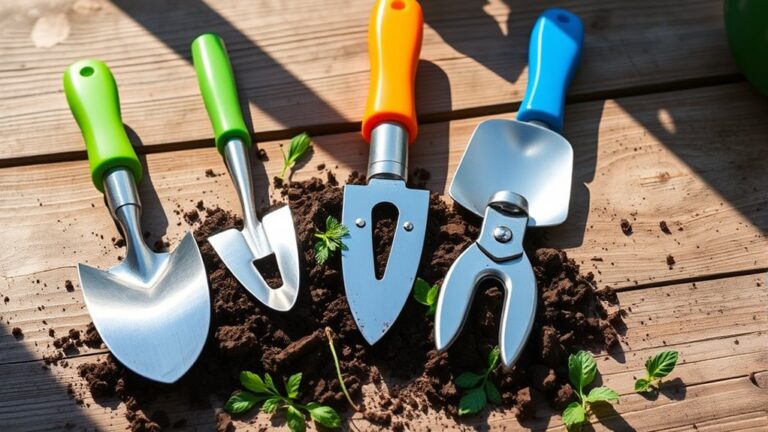
You’ll want essential tools like a sturdy spade, pruning shears, and a garden hoe for garden maintenance. A reliable pair of gloves keeps your hands safe while you work.
Don’t forget a watering can or hose with adjustable spray for gentle watering. For landscape lighting installation, a cordless drill and wire strippers come in handy.
These basics will help you confidently start and maintain your landscaping projects.
Conclusion
Now that you’ve planned your layout, chosen the right plants, and installed hardscaping, it’s time to nurture, maintain, and enjoy your yard. Keep watering regularly, prune thoughtfully, and mulch generously to keep your landscape thriving.
Stay mindful of common mistakes, stay consistent with seasonal care, and stay excited about watching your yard transform. By taking these steps, you’ll create a beautiful, healthy outdoor space you’ll love all year long.
With proper care and attention, your yard will become the stunning landscape you envisioned. This step-by-step guide to landscape your yard ensures you’ll enjoy a vibrant, inviting space for years to come.