5 Best House Maintenance Tips You Can’t Ignore
Maintaining a house can feel overwhelming, especially when unexpected problems pop up. You’re not alone—many homeowners struggle to keep everything in tip-top shape without breaking the bank or spending all their free time on repairs. That’s why having a solid game plan for house maintenance is a total lifesaver.
You can’t ignore inspecting your roof and gutters twice a year to prevent costly damage.
Keep your plumbing leak-free by checking pipes regularly and using natural drain cleaners.
Clean and tune your HVAC system often to boost efficiency and avoid breakdowns.
Seal windows and doors to cut energy loss and lower bills.
Don’t forget regular servicing of major appliances to extend their lifespan.
Keep these tips in mind, and you’ll uncover even more ways to protect your home.
Key Takeaways
- Inspect and clean roofs and gutters twice yearly to prevent damage and water issues.
- Regularly check plumbing for leaks, insulate pipes, and clear drains to avoid costly repairs.
- Replace HVAC filters every 1-3 months and schedule annual professional tune-ups for efficiency.
- Seal windows and doors with weatherstripping or caulk to improve energy efficiency and reduce utility bills.
- Maintain major appliances by cleaning coils, vents, and flushing water heaters to extend their lifespan.
Inspect Your Roof and Gutters for Home Maintenance
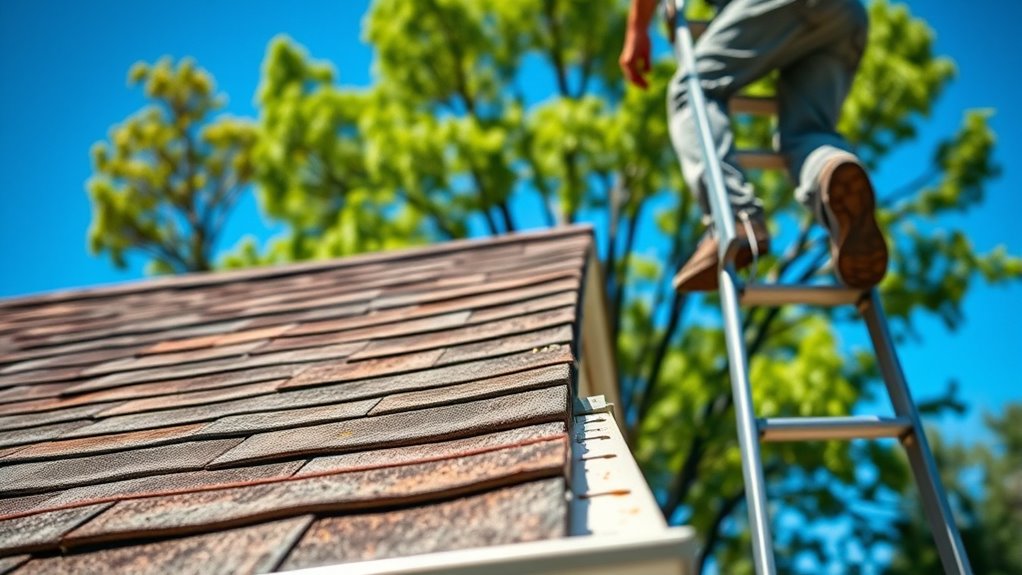
How often do you check your roof and gutters? Regular roof inspection is essential to catch small issues before they escalate into costly repairs. You should examine your roof at least twice a year, ideally in spring and fall.
Look for missing or damaged shingles, signs of wear, and any debris that might trap moisture. Likewise, gutter cleaning is necessary to prevent blockages that can cause water overflow and damage to your home’s foundation.
Clearing leaves, twigs, and dirt ensures water flows freely and protects your roof’s edges. If you notice sagging gutters or leaks, address them promptly.
Maintain Plumbing to Prevent Leaks and Water Damage
Since plumbing issues can lead to serious water damage, maintaining your pipes and fixtures regularly is essential. Start by inspecting for leaks and drips, and use leak detection tools or apps to catch hidden problems early.
Make sure to insulate your pipes, especially in colder months, to prevent freezing and bursting. Tighten loose fittings and replace worn washers to avoid dripping faucets that waste water and increase bills.
Here’s a quick maintenance checklist:
| Task | Frequency | Tips |
|---|---|---|
| Leak Detection | Monthly | Use moisture sensors or apps |
| Pipe Insulation | Annually | Focus on exterior pipes |
| Fixture Check | Quarterly | Tighten joints, replace washers |
| Drain Cleaning | Biannually | Use natural cleaners |
Clean and Tune Your HVAC System to Boost Efficiency
Just like maintaining your plumbing helps prevent costly water damage, keeping your HVAC system clean and tuned guarantees it runs efficiently and lasts longer. Neglecting your HVAC filter can reduce airflow, forcing your system to work harder and increasing energy bills. Regularly replacing or cleaning the filter improves air quality and system performance.
Don’t forget thermostat calibration. If your thermostat isn’t accurate, your system may run too long or not enough, wasting energy. Scheduling a tune-up ensures all components work smoothly, preventing unexpected breakdowns.
To boost your HVAC efficiency:
- Replace or clean the HVAC filter every 1-3 months
- Check and calibrate your thermostat annually
- Clean condenser and evaporator coils
- Inspect and clear drain lines to avoid clogs
- Schedule professional maintenance yearly
Seal Windows and Doors to Save Energy
Wondering why your energy bills stay high despite your efforts to save? The culprit might be drafts sneaking in through gaps around your windows and doors. Sealing these openings is a simple yet effective weatherproofing strategy that can greatly reduce energy loss.
Start by inspecting all window and door frames for cracks or gaps. Use weatherstripping or caulk to seal these areas tightly, preventing cold air from entering in winter and hot air in summer. This draft prevention method not only keeps your home comfortable but also lowers your heating and cooling costs.
Don’t forget to check door sweeps and replace worn-out seals to improve protection. By investing a little time in sealing windows and doors, you’ll boost your home’s energy efficiency and enjoy noticeable savings on your utility bills.
Implementing these weatherproofing strategies is one of the easiest ways to make your home more energy-efficient year-round.
Service Major Appliances Regularly to Extend Their Lifespan
Regularly servicing your major appliances keeps them running efficiently and helps you avoid costly breakdowns. By sticking to a maintenance scheduling routine, you can catch small issues before they turn into expensive repairs.
Don’t overlook appliance cleaning, as buildup can reduce performance and shorten appliance lifespan.
To keep your appliances in top shape, focus on these key tasks:
- Clean refrigerator coils and check door seals
- Inspect and clean dryer vents to prevent fire hazards
- Flush your water heater to remove sediment buildup
- Clean dishwasher filters and spray arms regularly
- Schedule professional inspections for HVAC systems annually
Frequently Asked Questions
How Often Should I Repaint the Exterior of My House?
You should repaint the exterior of your house every 5 to 10 years, depending on the exterior paint longevity and the quality of weather resistant coatings used. Harsh weather can shorten paint life, so inspect your home regularly for peeling or fading.
Using high-quality weather resistant coatings helps protect your home and extend paint durability. Staying proactive with maintenance guarantees your house stays attractive and protected from the elements.
What Are the Best Practices for Lawn and Garden Care?
You should start by creating a solid landscape design that suits your climate and soil. Stick to a consistent watering schedule, ideally early morning or late evening, to conserve water and avoid disease.
Regularly mow and fertilize your lawn, and prune plants to encourage healthy growth. Don’t forget to check for pests and weeds frequently.
How Can I Prevent Pest Infestations in My Home?
You can prevent pest infestations by focusing on pest prevention and home sealing. Start by sealing cracks, gaps, and openings around doors, windows, and your foundation to block pests from entering.
Keep your home clean and dry, especially the kitchen and bathroom. Store food in airtight containers and take out the trash regularly.
Regularly inspect your home for signs of pests and fix any moisture issues. Taking these steps will keep pests away effectively.
When Should I Replace My Home’s Smoke Detectors?
You should replace your home’s smoke detectors every 10 years to guarantee they work properly. Regular battery maintenance is essential. Change batteries at least once a year or whenever the low-battery alarm sounds.
Make detector testing a monthly habit by pressing the test button to confirm they’re functioning. Staying on top of battery maintenance and detector testing keeps your home safe and your smoke alarms dependable when you need them most.
What Are the Signs of Foundation Problems in a House?
When your house feels like it’s slowly sinking or cracking under pressure, watch for foundation cracks that spiderweb across walls or floors. These are red flags waving at you.
Soil shifting beneath your home can cause doors and windows to stick or won’t close right. If you notice uneven floors or gaps between walls and ceilings, don’t ignore them. You’re seeing the foundation’s silent cries for help, and you need to act fast.
Conclusion
You can’t ignore your roof and gutters, so inspect them regularly. You shouldn’t overlook plumbing; maintain it to prevent leaks.
Don’t forget to clean and tune your HVAC system to boost efficiency. Always seal windows and doors to save energy.
And remember to service major appliances regularly to extend their lifespan. By staying proactive with these simple steps, you’ll protect your home, save money, and enjoy lasting comfort year-round.
Following these house maintenance tips is the best way to keep your home in great shape and avoid costly repairs.